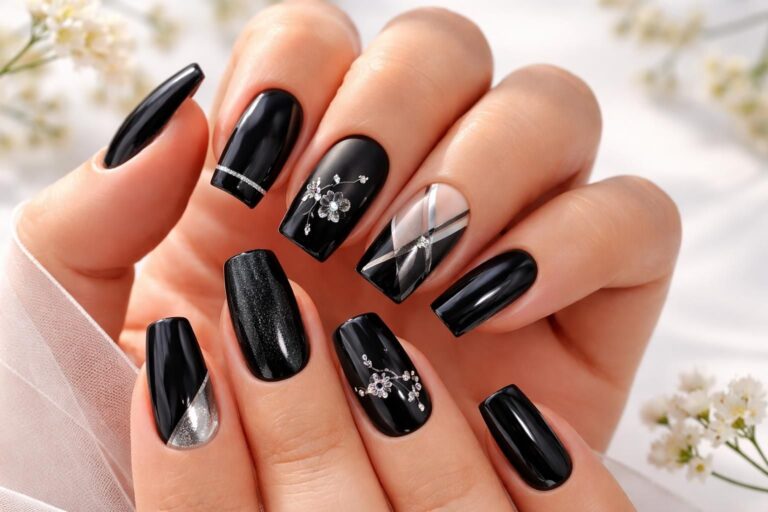
Revitalize Your Toenails This Spring: Tips and Care Guide
Spring is the perfect time to breathe new life into your foot care routine and pay special attention to your toenails. After months tucked away in boots and thick socks, our nails often feel dry, brittle, or lackluster as winter fades. Revitalizing your toenails now not only enhances their appearance but also supports overall nail health, preventing common issues like fungus, ingrown nails, and discoloration. Whether you’re gearing up for open-toed shoes or simply want to feel fresh from head to toe, nurturing your nails with the right tips and care strategies will make all the difference this season. By focusing on proper moisturizing, easing nail growth, and adopting smart grooming habits, your toenails can regain strength and beauty naturally. With a little dedication, your pedicure game will be spring-ready and fabulous!
To give you the best guidance, this care guide delves into essential practices and expert-backed tips to help you revive your toenails effectively this spring. From treatment techniques to nourishing ingredients and lifestyle habits, every detail matters when aiming for healthy nails. Envision yourself strolling along California’s sunlit streets with confidence and comfort, flaunting nails that reflect vitality and good care. Let’s explore how to transform dry, tired nails into a stunning spring statement, starting now.
Expert Foot Care Techniques to Revitalize Your Toenails
Taking care of your toenails is more than just a cosmetic concern; it’s a crucial aspect of overall foot care that influences your comfort and health. After enduring harsh conditions of winter, your nails need targeted care to boost their health and appearance. One essential step is regular, gentle trimming. Carefully clipping nails straight across, rather than rounding them, helps prevent painful ingrown toenails — a common problem that worsens with improper nail shaping. Using sanitized nail clippers specifically designed for toenails also reduces the risk of infections.
Another fundamental practice is maintaining cleanliness to avoid fungal infections. Fungi thrive in warm, moist environments, so drying your feet thoroughly after showers and changing socks daily can deter unwanted growth. For an added boost, consider incorporating an antifungal foot soak once a week using natural ingredients like apple cider vinegar or tea tree oil, which have potent antimicrobial properties. Such treatments not only promote nail health but also soothe irritation and dryness.
In conjunction with trimming and hygiene, moisturizing is indispensable for nail care. Nail beds and surrounding skin often become cracked or flaky due to weather changes and neglect. Applying a rich foot cream or specialized nail oil containing ingredients like jojoba, shea butter, or vitamin E regularly helps keep the nail matrix hydrated, enhancing flexibility and preventing brittleness. For best results, massage the moisturizer into and around your nails before bedtime, allowing it to work overnight when the body is at rest.
One anecdote that resonates with many is the story of a client who neglected toenail care during winter and faced severe cracking and discoloration come spring. By reintroducing weekly foot soaks, trimming rituals, and daily moisturizing, she noticed significant improvements within weeks — her nails regained strength, color, and natural shine. This example highlights how attentive, consistent foot care truly revives nail health without expensive treatments. Embracing these expert techniques sets the foundation for confident sandal season footsteps.

Nutrition and Lifestyle Habits for Healthy Toenails and Nail Growth
While topical care is vital, revitalizing your toenails also depends greatly on what you feed your body and how you live day-to-day. Nail health is a direct reflection of nutritional status and lifestyle habits that either promote or hinder strong nail growth. In 2026, recent research confirms that incorporating particular nutrients into your diet expedites the natural regeneration process of nails and prevents fragility.
Biotin ranks at the top of essential vitamins for nail health. Found in foods such as eggs, nuts, and leafy greens, biotin supports keratin production—the protein forming the basis of nails. Complementing diet with biotin supplements has been shown to boost nail thickness and reduce splitting when taken consistently.
Iron and zinc are also fundamental. Iron deficiency can cause nails to become thin and concave, while zinc helps maintain nail integrity and repair. Sources like lean meats, seeds, and fortified cereals provide ample amounts of these minerals. Staying hydrated plays an equally critical role; water maintains nail pliability and shines, combating brittleness caused by dehydration.
Equally notable, lifestyle factors such as wearing breathable footwear and rotating shoe choices prevent excessive pressure and moisture buildup that can compromise nail health. Regularly airing out your feet and opting for cotton or moisture-wicking socks supports a healthy environment for nail growth. Some podiatrists also encourage gentle foot stretching exercises to improve circulation, which effectively nourishes your toenails from the inside out.
On a personal note, I’ve found switching my diet to more plant-based options rich in vitamins and practicing daily foot stretches significantly improved the growth speed and color of my toenails. Noticing small white spots fading and nails feeling less brittle was incredibly rewarding—and motivated me to stay consistent with these holistic habits. Incorporating mindful lifestyle choices ensures your toenails have the best chance at thriving during the brighter, warmer months ahead.
Spring-Specific Tips to Protect Toenails from Environmental Stress
Spring introduces fresh environmental challenges that can impact toenail health in subtle but important ways. The shift from cold, dry winter air to fluctuating temperatures and increased humidity requires adaptations in your toenail care routine. One key threat comes from exposure to outdoor elements during more frequent walks, hikes, or communal activities. Dust, dirt, and allergens accumulate on and beneath toenails, making regular cleaning indispensable.
Additionally, spring activities often involve wearing open-toed shoes and sandals, exposing nails to potential damage. Though it’s tempting to skip protection with sunnier weather, applying a broad-spectrum sunscreen around your toes is a savvy tactic to avoid discoloration or dryness caused by UV exposure. Certain mineral-based sunscreens are gentle enough to use on sensitive nail areas without clogging pores.
For those frequently swimming or relaxing in chlorinated pools, moisture balance becomes critical. While pools provide refreshing relief, chlorine can dry nails and surrounding skin, causing cracks and peeling. Rinsing feet with clean water immediately after swimming and applying an intense moisturizing balm can prevent this common problem. Wearing well-fitting flip-flops around pools also guards against fungal infections, often spread in moist communal spaces.
Spring is synonymous with renewal, so why not extend this spirit to your toenail care? Incorporate weekly gentle buffing to remove dull surface layers, but avoid over-buffing as it weakens nail plate thickness. Exfoliating the feet with natural scrubs after a soak softens cuticles, making pushing them back easier and less damaging. These practices prepare nails for seasonal polish if you desire a splash of color while maintaining their health integrity.
One memorable anecdote from a friend’s springtime foot care reveals how her habit of applying nail oil and sunscreen consistently after outdoor activities not only enhanced nail growth but also prevented painful breakage and fungal infections previously suffered. Simple yet effective adjustments tailored to spring’s environmental realities create a protective shield for your toenails that lasts all season.
Choosing the Right Products and Tools for Optimal Toenail Care
When aiming to revitalize your toenails, the products and tools you use can make all the difference. With a market flooded with hundreds of creams, oils, and implements, selecting those that truly nurture nail health requires discernment. Opting for natural, nourishing ingredients is a winning formula. Ingredients like coconut oil, shea butter, vitamin E, and argan oil provide deep moisturization without harsh chemicals that might exacerbate dryness or irritation.
Foot creams that blend botanical extracts such as lavender or chamomile add soothing anti-inflammatory benefits, ideal after a day of wearing closed shoes or walking in the sun. On the other hand, nail strengthening treatments with ingredients like keratin peptides or calcium complexes deliver targeted reinforcement, helping nails grow resilient and less prone to splitting.
Equally important are the tools in your care kit. A quality nail file with fine grit is preferable to metal files which can cause tiny cracks. Glass or crystal files are the gold standard for smooth, gentle shaping. Cuticle pushers made of wood or rubber minimize risk of injury, especially when pushing back cuticles that are prone to tearing. Additionally, using clean, sterilized tools prevents bacteria accumulation, a critical factor often overlooked by busy individuals.
Another product category that’s gaining attention is nail serums infused with peptides and vitamins designed to accelerate growth and repair damage. These serums often boast a lightweight texture easily absorbed into the nail plate and surrounding skin. Regular use can result in visibly healthier nails within weeks, restoring thickness and sheen to those recovering from winter neglect.
Through experimentation, I personally switched to serums combining biotin, argan oil, and hyaluronic acid, applying them nightly. Within a couple of months, my toenails felt noticeably stronger, less fragile, and ready for spring’s sandal season. Investing in high-quality tools and thoughtfully formulated products contributes to a salon-worthy care routine you can trust at home, proving that revitalizing toenails is achievable with the right approach.
Creative Nail Care Ideas and Inspiration for Stylish, Healthy Toenails This Spring
Healthy nails are the perfect canvas for expressing your style, especially as spring brings opportunities to showcase foot fashion in full bloom. Beyond basic care, thinking creatively about nail care can elevate your routine and make the process joyful and inspiring. Exploring color trends, natural nail embellishments, and protective finishes opens exciting possibilities for personalized pedicures that celebrate vibrancy without compromising health.
For instance, consider embracing semi-permanent gel polishes, which in 2026 have become more formulated with nourishing elements like vitamin E and keratin. These polishes last longer, reduce chipping, and keep nails looking glossy and well-maintained. Alternatively, nail wraps infused with moisturizing properties offer quick yet safe decoration options for those with sensitive nails or limited time.
If natural nail appearance is your preference, highlighting subtle features such as a gentle buff and clear strengthening coat can provide a polished look without chemicals. Adding botanical decals or minimalist designs inspired by spring florals enhances aesthetic appeal while remaining safe for regular wear.
This season, I’ve enjoyed curating personalized nail care rituals involving mental relaxation and mindfulness while painting or buffing my nails, transforming a routine task into a nurturing self-care moment. Inviting friends for mini pedicure parties not only spreads joy and social connection but also inspires fresh ideas and shared tips that keep everyone motivated toward healthy nails.
| Spring Toenail Care Habit | Benefit | How To Implement |
|---|---|---|
| Weekly foot soak with apple cider vinegar | Prevents fungal infections and softens nails | Mix 1/2 cup in warm water, soak for 15 minutes |
| Daily moisturizing with natural oils | Boosts nail flexibility and reduces brittleness | Massage oils like jojoba or argan oil into nails nightly |
| Applying sunscreen around toes | Protects nails from UV-related damage | Use mineral-based sunscreen before sun exposure |
| Gentle nail buffing once a week | Removes dullness and evens nail surface | Use fine grit glass files lightly, avoid over-buffing |
| Rotating breathable shoes and socks | Reduces moisture build-up and fungal risk | Alternate footwear daily, wear cotton socks |
Adding creativity and conscious care transforms your toenail routine into a springtime ritual full of empowerment and beauty. Your nails become not only healthier but an expression of freshness and confidence, set to turn heads as you step into the new season with grace.
How often should I trim my toenails to maintain their health?
Trimming your toenails every 4 to 6 weeks is ideal to prevent ingrown nails and maintain proper length. Always cut straight across and avoid rounding edges to reduce risks.
What’s the best moisturizer for dry, brittle toenails?
Look for moisturizers with natural oils such as jojoba, argan, or shea butter. These ingredients deeply hydrate and strengthen nails, especially when massaged in regularly.
Can diet really affect toenail health?
Absolutely! Nutrients like biotin, iron, and zinc are essential for nail growth and strength. A balanced diet rich in these supports overall nail health.
Is nail polish harmful to toenails?
When used correctly and with good-quality, nourishing formulas, nail polish isn’t harmful. Avoid overusing harsh removers and allow nails time to breathe between applications.
What natural remedies help prevent toenail fungus?
Weekly foot soaks with apple cider vinegar or tea tree oil can prevent fungal growth. Keeping feet dry and clean, along with wearing breathable socks and shoes, is also crucial.