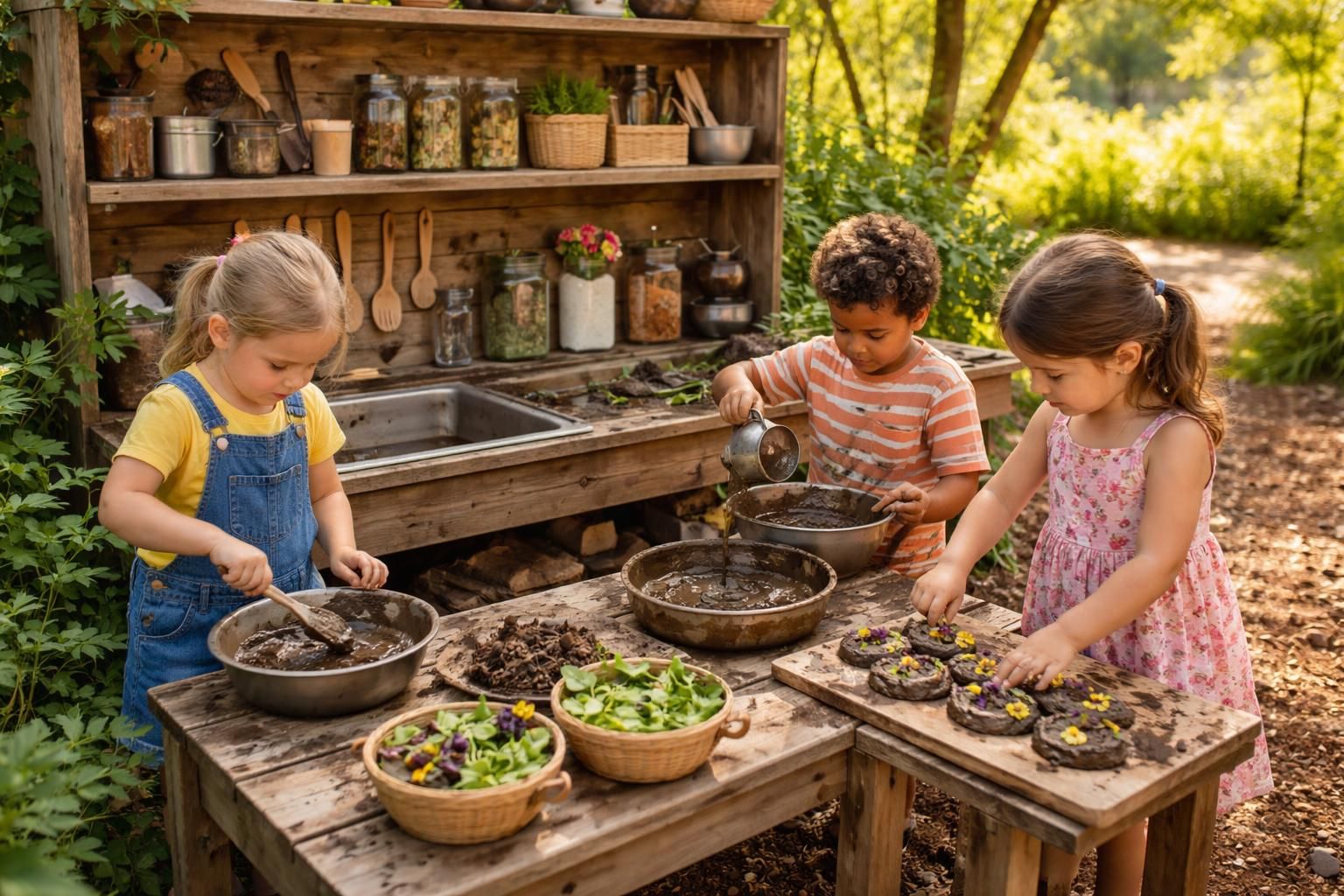
Creative Mud Kitchen Ideas to Inspire Outdoor Play and Learning
Creative mud kitchens are redefining outdoor play by blending imagination with natural exploration, allowing kids to dive into sensory-rich experiences that spark creativity and learning. These playful setups encourage children to engage with the physical world, offering a hands-on approach that stimulates cognitive development and outdoor curiosity. As families seek more interactive ways to enrich their kids’ playtime beyond screens and structured activities, mud kitchens provide an accessible, eco-friendly avenue to nourish young minds and bodies alike.
Whether a simple DIY space in a corner of the backyard or a more elaborate garden installation, mud kitchens invite children to mix, mold, and create using nature’s ingredients. This connection to nature promotes sensory play—a vital aspect of early childhood development—and encourages imaginative scenarios, from pretend cooking to scientific discovery. As outdoor play continues to gain recognition for its benefits in 2026, integrating creative mud kitchens becomes an inspiring strategy to merge fun with educational opportunities.
Key Highlights:
- Creative mud kitchens foster a unique blend of imaginative play and learning through nature-based sensory activities.
- Outdoor play spaces designed around mud kitchens promote hands-on exploration and cognitive growth in children.
- DIY and easy-to-assemble mud kitchen ideas allow for customizable setups based on available space and materials.
- Encouraging kids to engage with natural elements nurtures environmental awareness and physical coordination.
- Incorporating artistic inspirations, such as chalkboard menus and garden themes, enhances creative expression through play.
Designing Your Own Creative Mud Kitchen: DIY Inspiration and Practical Tips
Creating a mud kitchen is an exciting DIY project that transforms any outdoor area into a vibrant classroom of nature and imagination. The beauty lies in its simplicity—essentially a child-sized kitchen made from affordable materials like old wooden pallets, baking trays, or recycled plastic bins. To start, consider the space available in your backyard or balcony, ensuring it is safe, accessible, and close enough for supervision.
One popular creative touch is adding a chalkboard menu where kids can jot down their mud pie specials or garden-inspired recipes. This not only encourages literacy but sparks artistic flair and role-playing fun. For those curious about stylish outdoor accents, sites like creative springtime designs inspiring chalkboard art ideas provide plenty of inspiration to customize this element perfectly.
Another key aspect is integrating natural materials into the kitchen setup. Collect leaves, twigs, flowers, and pebbles that kids can combine with mud and water to create sensory masterpieces. It’s helpful to organize these materials in labeled containers or baskets for easy access. Adding utensils like wooden spoons, sieves, and old kitchenware enriches the tactile experience and mimics real cooking tools, fostering fine motor skills alongside creativity.
Lastly, remember to build around safety and durability—use weather-resistant materials, secure all elements properly, and encourage the use of aprons or old clothes to keep kids comfortable while they get messy. Setting up a mud kitchen close to a hose or water source simplifies clean-up, inviting longer playtime without worries. These thoughtful design choices make any DIY mud kitchen a haven for outdoorsy learners and imaginative minds.
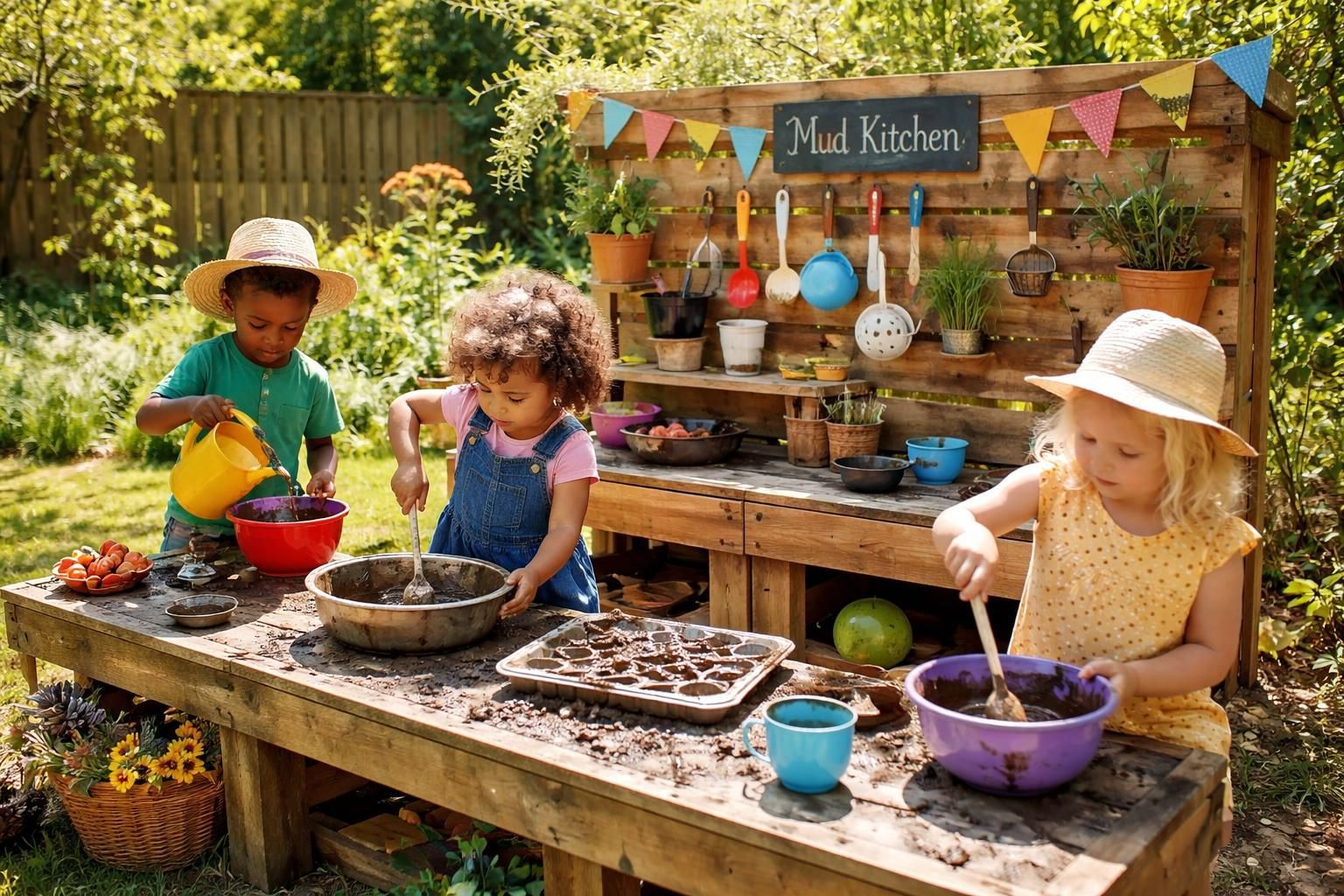
Essential Components to Include in Your Mud Kitchen
| Component | Purpose | Materials Suggestion |
|---|---|---|
| Surface/Table | Workspace for mixing and crafting | Recycled wood, pallets, old tables |
| Water Source | Enables mud creation and sensory exploration | Bucket, hose, watering can |
| Storage | Organizes natural materials and utensils | Baskets, crates, shelves |
| Cooking Utensils | Encourages pretend play and fine motor skills | Wooden spoons, pots, old pans |
| Decorations | Enhances creativity and personalizes the space | Chalkboards, painted signs, dried flowers |
Encouraging Learning Through Sensory and Imaginative Play in Mud Kitchens
Mud kitchens are immersive sensory play environments that nurture multiple areas of child development, ranging from tactile awareness to problem-solving skills. The process of squishing mud between fingers, peeling back leaves, or pouring water engages children’s senses profoundly, laying foundational cognitive and motor skills that traditional indoor play often neglects. This connection with nature also encourages observation of seasons, weather, and natural materials, subtly introducing early scientific concepts.
Beyond simply playing with mud, imaginative scenarios emerge as kids pretend to be chefs, bakers, or scientists, creating stories and experiments that deepen their understanding of the world. This type of play boosts language development as they narrate their activities, describe textures and colors, or negotiate roles with peers. For example, a game where children “serve” mud pies to friends encourages social skills and sharing.
Wildlife and gardening enthusiasts can incorporate real plants or herbs into the mud kitchen area, inviting kids to care for these elements and observe growth cycles firsthand. This hands-on interaction fosters responsibility and respect for the environment, critical components of raising eco-conscious young citizens in today’s world.
The integration of sensory and imaginative play through creative mud kitchens not only keeps children entertained but cultivates holistic learning experiences deeply rooted in the natural world, supporting their emotional and intellectual growth simultaneously.
Creative Themes and Activities to Inspire Outdoor Play
Exploring themed mud kitchen activities keeps young minds engaged and expands the possibilities of outdoor fun. Garden-themed setups, for instance, can immerse kids in nature’s palette—letting them concoct mud soups infused with flower petals and herbs. Another exciting activity is a mud pie bakery where children create and “sell” their concoctions, mixing mud with leaves and twigs to design unique recipes. This playful commerce instills entrepreneurial thinking and counting skills.
Seasonal themes bring freshness to mud kitchens, such as autumn leaf collections, snow-sample mud mixes during winter, or spring flower-infused creations. These variations encourage kids to observe environmental changes while adapting their play accordingly. A DIY summer ice cream shop, where mud transforms into pretend ice cream cones, offers cool relief and sensory delight during hot days.
Additionally, integrating artistic activities like painting stones, weaving grass mats, or decorating kitchen furniture with chalk brings an extra creative dimension. These practices complement the hands-on cooking experience and stimulate fine motor prowess alongside artistic expression.
Parents and educators can rotate these themes regularly, combining learning with fun to keep children eager to explore outdoors. The key is to fuel their curiosity with new ideas that promote creative mindsets while fostering connection with nature and peers.
Practical Advice for Maintaining and Encouraging Continued Engagement
Maintaining a mud kitchen might seem like a messy endeavor, but with thoughtful organization and simple routines, it can become a cherished part of outdoor family life. A practical approach includes regular clean-up days, sorting natural materials, and rotating utensils to keep the experience fresh and inviting. Encouraging kids to take responsibility for tidying their play area builds ownership and care for their environment.
Weather considerations are important, especially in climates like California where sun exposure is strong. Providing shade with umbrellas or tents helps prolong comfortable playtimes. Using waterproof covers protects your mud kitchen from rain damage, ensuring longevity and durability.
Another tip is to incorporate the mud kitchen into daily routines, for example, offering 20-30 minute outdoor creative play slots after school or during weekends. This consistency boosts anticipation and builds a healthy habit of getting outside and active.
To deepen learning, parents can join the play, asking reflective questions or suggesting new ingredients to try. Sharing photos of your creative mud kitchen adventures, whether on Pinterest or through blogs, enriches community inspiration and strengthens your connections with other families embracing sensory play.
For a fresh artistic touch, don’t forget to visit this resource offering creative chalkboard art ideas that perfectly complement mud kitchen setups by adding visual charm and functional learning boards. This fusion of art and nature enhances children’s enduring enthusiasm and inventive impulses.