Create Your Own DIY Solar-Powered Fountain: A Step-by-Step Guide
Crafting a DIY solar-powered fountain offers a beautiful way to combine aesthetics with sustainability, transforming any outdoor area into a serene retreat. With increasing interest in renewable energy solutions, these fountains stand out as an excellent example of eco-conscious garden decor, powered solely by the sun. Whether you want to freshen up your garden décor, introduce soothing sounds of flowing water, or create an inviting space for friends and family gatherings, a solar fountain is the perfect project for 2026’s eco-friendly lifestyle trends.
Solar-powered fountains require no electrical outlets or wiring, making them incredibly simple to install and move when needed. They operate using solar panels that harness the sun’s energy to run an integrated water pump—a fantastic blend of technology and nature. This guide breaks down the entire process into easy-to-follow steps, aimed at anyone eager to personalize their outdoor space while making a positive environmental impact.
Understanding the Essentials of a DIY Solar-Powered Fountain
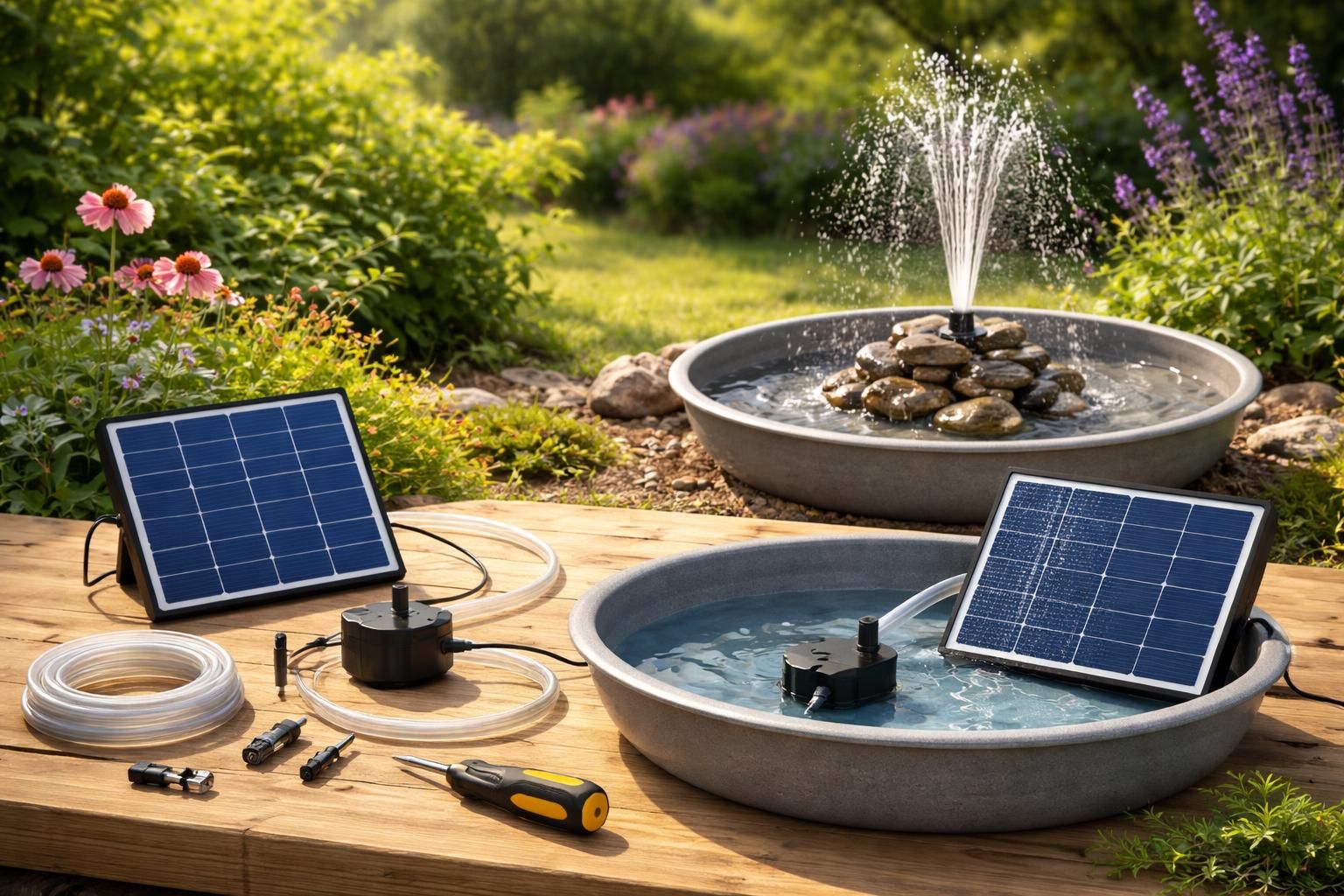
Before diving into the hands-on aspects of building your solar fountain, it’s important to grasp how the core components work together. At its heart, the fountain relies on a solar panel which collects sunlight, converting it into electricity to power a compact water pump. The pump circulates water, producing the gentle, continuous flow that gives any garden feature its calming character.
Let’s dissect the main parts you’ll need:
- Solar panels: Choose high-efficiency, weatherproof solar panels that can capture adequate sunlight even during overcast days. Panels rated around 5 to 10 watts typically suffice for garden fountains.
- Water pump: A small, energy-efficient water pump specifically designed for solar applications ensures longevity and smooth water circulation. It’s essential the pump matches your solar panel’s output to maintain consistent fountain operation.
- Container or basin: This watertight core holds the water and serves as the fountain’s structural base. Options range from recycled half barrels to decorative planters, depending on your style preference and garden layout.
- Decorative elements: Think stones, pebbles, or even old bricks to camouflage the tubing and enhance the basin’s appearance. These touches help the fountain blend naturally with your garden’s environment.
Understanding these parts helps customize your project, whether you seek minimalist elegance or a more elaborate nature-inspired water feature. The inclusion of a suitable water pump and efficient solar panels ensures the fountain remains operational throughout sunny days, promoting a sustainable approach to outdoor water features without reliance on traditional electricity.
Many DIY enthusiasts in California have found that integrating a fountain with solar technology not only elevates their garden decor but also reduces their carbon footprint, aligning with the state’s ambitious renewable energy goals. For additional inspiration on outdoor modifications, you might explore creative landscaping ideas for mobile homes, offering fresh perspectives on garden enhancement here.
Step-by-Step Assembly of Your DIY Solar Water Fountain
Creating your solar-powered fountain can be straightforward, fun, and gratifying with the right approach. Follow these detailed steps to bring your garden to life with the soothing flow of water, fully energized by the sun.
Step 1: Preparing the Base and Container
Choose a container that’s sturdy and watertight, such as a large planter or a plastic half barrel. Ensure it can hold enough water to allow the pump to function correctly. Clean the container thoroughly before use, removing dirt or debris that could clog the pump later.
Step 2: Installing the Solar Panel
Position the solar panel in a location that captures maximum sunlight throughout the day, usually a south-facing spot. It’s essential the panel remains unobstructed by trees or buildings. Connect the wires to the water pump, carefully insulating the connections to withstand moisture exposure. Some setups include mounting the panel on a stake or adjustable stand to optimize angle and sunlight absorption.
Step 3: Setting Up the Water Pump and Tubing
Attach the water pump tubing securely and place the pump at the bottom of the container, ensuring it’s fully submerged. Test the wiring and connections to confirm the pump activates under sunlight. Adjust tubing length as needed to guide water flow elegantly over decorative stones or bricks.
Step 4: Adding Decorative Elements
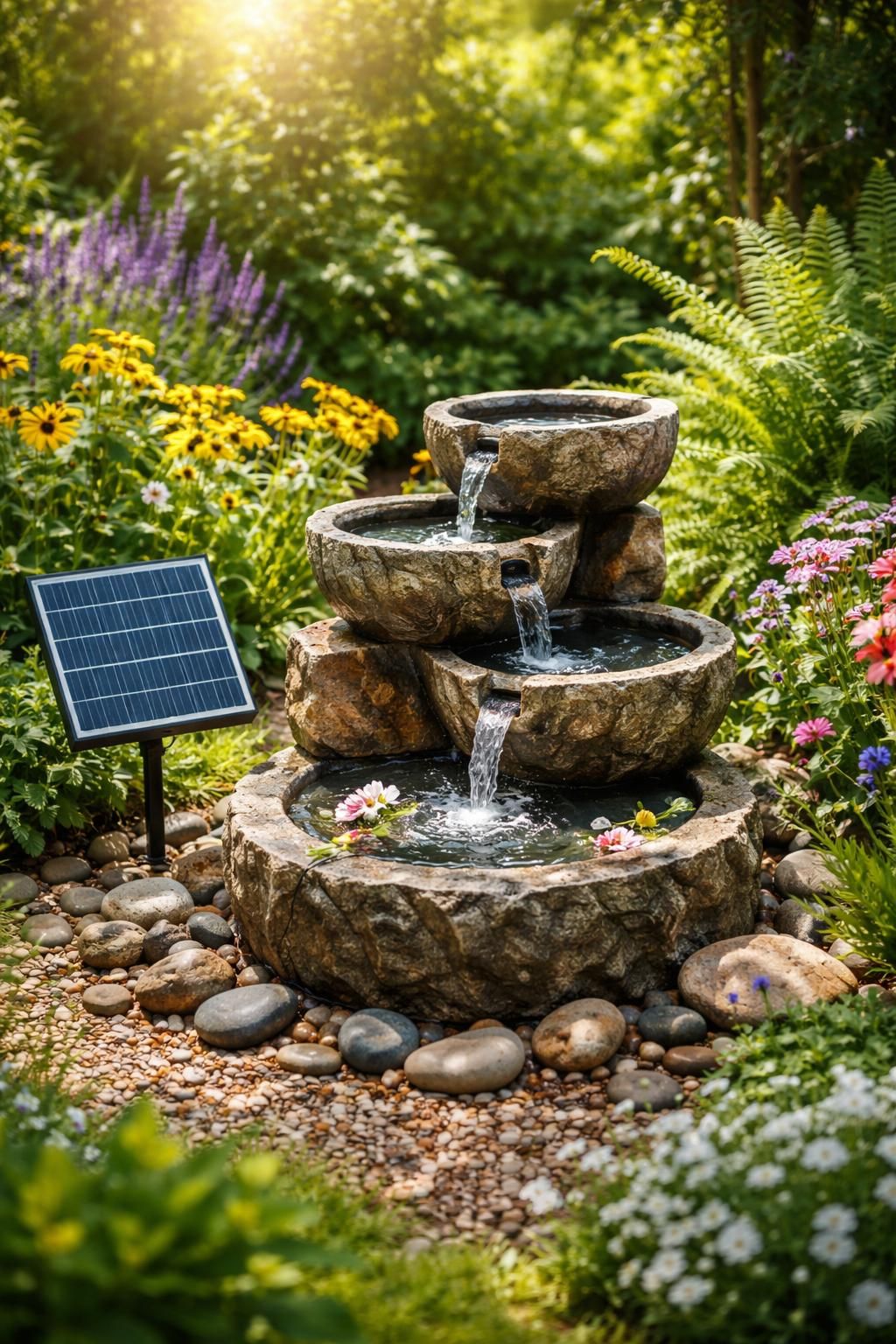
Surround the pump with your chosen stones, pebbles, or bricks, cleverly concealing the pump and tubing. These elements not only enhance visual appeal but assist in stabilizing the pump, preventing any unwanted movement. Incorporate plants or small garden ornaments for a personalized touch.
Step 5: Filling With Water and Testing
Fill the basin with clean water and place the entire setup under sunlight to activate the solar panels. Watch as the pump circulates water, creating a charming spray or gentle stream. Adjust the position of the solar panel or tubings if necessary to improve water pattern and daylight efficiency.
These carefully articulated steps equip anyone, regardless of prior experience, to successfully create a sustainable water feature. The visual appeal and tranquil ambiance enhance any outdoor space, making it a perfect addition to your garden or patio.
Choosing Renewable Energy Components for Maximum Efficiency
Selecting quality components is vital to ensuring your solar fountain performs reliably and efficiently over time. Given the progress in renewable energy tech by 2026, affordable, durable solar panels and pumps are more accessible than ever for hobbyists and DIY enthusiasts.
Solar panels specifically designed for garden fountains are generally compact but powerful enough to generate sufficient electricity on sunny days. Meanwhile, solar-powered water pumps have improved in efficiency, with many models featuring protection against overheating and clogging, key for outdoor use.
This evolution makes it easier for you to tailor your DIY fountain according to the natural light conditions in your location and specific garden needs. Some panels come with built-in batteries or capacitors to store energy and keep the pump running briefly even in fading light. Depending on your aesthetic and functional preferences, deciding between these options can influence the overall experience of your water feature.
If you’re planning to incorporate a broader garden renovation, combining a solar fountain with complementary elements such as solar string lights or raised planting beds increases harmony and sustainability in your outdoor environment. For a wealth of ideas that expand on sustainable landscaping, take a look at creative landscaping ideas that can totally transform your outdoor space here.
Maintaining Your DIY Solar Fountain for Longevity and Beauty
Proper care plays a crucial role in maintaining the fountain’s beauty and functionality. Because your fountain is solar-powered, its maintenance primarily focuses on ensuring solar panels remain clean and that water circulation stays unhindered.
Regularly wipe dust, leaves, and debris off the solar panel surface to maximize its light absorption. During autumn or periods of heavy pollen, cleaning might be necessary every week. Avoid abrasive tools or harsh chemicals for cleaning; soft cloths and mild soapy water work best.
Check the water level frequently, especially in dry or hot conditions. Refill as needed to prevent the pump from running dry, which can cause damage. Inspect the pump and tubing for blockages or algae buildup, clearing any obstructions promptly to maintain consistent water flow. Occasionally disassemble the pump for a thorough clean to prevent sediment accumulation.
Winter requires special consideration; you may want to dismantle the fountain to avoid freezing damage, especially in colder areas beyond California. Store the pump and solar panel indoors until temperatures rise again.
With these maintenance tips, your solar water fountain will retain its tranquil soundtrack and radiant charm for seasons to come, making it a lasting feature of your home and garden. Equipping yourself with this knowledge supports a thoughtful blend of DIY creativity and environmental mindfulness, enriching your outdoor lifestyle.
Enhancing Garden Decor with Your Unique Solar Fountain Creation
A solar-powered fountain does more than provide soothing water sounds; it acts as a centerpiece, elevating your garden’s aesthetic and creating a peaceful ambiance. By personalizing your creation, you integrate your personality and style into the garden, turning it into a distinct outdoor haven for yourself and visitors.
Consider complementing your fountain with natural elements like driftwood or colorful ceramic tiles to frame the basin. Surround it with fragrant plants such as lavender or jasmine to stimulate more senses beyond sight and sound. Solar fountains can invite birds and dragonflies, adding an engaging wildlife element that animates your garden space.
The versatility of solar fountains suits various outdoor setups—from compact balcony gardens to expansive backyards. Their wire-free design means repositioning your fountain seasonally or whenever inspiration strikes is effortless, offering endless opportunities to freshen your outdoor ambiance without costly renovations.
For those dreaming about further landscaping projects, innovative techniques and materials continue to stir excitement among garden enthusiasts in 2026. Exploring creative landscaping ideas that transform your garden can provide fresh inspiration and practical tips to maximize your outdoor space while supporting sustainable living.
| Feature | Benefit | DIY Solar Fountain Application |
|---|---|---|
| Renewable Energy | Reduces electricity consumption and carbon footprint | Solar panels power the water pump without external electricity |
| Portability | Easy to relocate and adjust location throughout seasons | Wireless solar panel setup allows flexible placement in the garden |
| Low Maintenance | Simple upkeep involving cleaning solar panels and water levels | Minimal maintenance extends the fountain’s life and functionality |
| Eco-Friendly Materials | Supports sustainability goals | Use of recycled containers and natural decorative stones |
| Customization | Reflects personal style and garden theme | Choice of basin, stones, and decorative accents |
Gathering all these elements together, you create a signature garden feature that reflects your values and taste while embracing a sustainable lifestyle. This blend of nature and technology is a beautiful testament to contemporary garden design trends in 2026.
Can I use any water pump for my solar-powered fountain?
No, it’s important to use a water pump designed specifically for solar-powered applications. These pumps match the voltage and current supplied by the solar panel to ensure smooth and efficient operation.
What should I do if my fountain stops working on cloudy days?
Solar-powered fountains rely on sunlight, so their performance decreases on overcast days. Some solar panels include energy storage components that can run the pump briefly during cloud cover. Alternatively, consider positioning the panel in a spot with maximum available light.
How often should I clean the solar panels?
Cleaning frequency depends on local conditions but generally once a week is recommended to remove dust, pollen, and debris that block sunlight and reduce efficiency.
Can I make a DIY solar fountain for a small balcony?
Absolutely! Solar fountains are versatile and can be customized to fit compact spaces such as balconies or patios, making them perfect for urban dwellers seeking green decor.