The Celebration and History of Cinco de Mayo: More Than Just a Fiesta
Every year on May 5th, a vibrant wave of celebrations sweeps across parts of the United States and Mexico, bringing with it lively music, bold decorations, festive food, and spirited calls of « ¡Viva México! » However, behind the colorful parades, stacks of tacos, and flowing margaritas lies a rich tapestry of history, culture, and patriotism that deserves attention beyond just the party atmosphere. Cinco de Mayo is a unique holiday rooted in a specific moment of Mexican resilience and determination, yet it has evolved in fascinating ways—especially in the U.S.—highlighting the depth of Mexican heritage and cultural pride.
In this exploration, we dive deep into the intricate story of Cinco de Mayo, tracing its origins in Mexican history, unpacking how it is traditionally celebrated, and examining the lively ways it has been embraced in American culture. From the significant Battle of Puebla to the colorful fiestas and traditions that continue to thrive, we’ll uncover how Cinco de Mayo is much more than just an excuse for a party—it’s a meaningful celebration of identity, history, and community.
Understanding this holiday’s full context not only enriches the experience of those who celebrate it but also fosters respect for Mexican culture and the spirit of patriotism that Cinco de Mayo represents. So whether you’re someone who marks this day with authentic cultural festivities or you find yourself drawn to the vibrant visuals and tantalizing foods, let’s take a closer look at the multifaceted meaning behind the holiday everyone loves to celebrate.
In the United States today, Cinco de Mayo is largely celebrated as a joyful occasion to honor Mexican culture and heritage through music, dance, food, and community festivals. Yet, it’s important to remember that its roots are tied to a significant historical event in 1862, when the Mexican army achieved a surprising victory in the Battle of Puebla against French forces. This victory symbolized Mexican resilience in the face of colonial aggression and has since been a proud marker of patriotism.
While official celebrations in Mexico remain relatively modest and localized, especially in the city of Puebla, the holiday has grown into a major cultural event in the U.S., serving as a platform for Mexican Americans to express pride in their heritage and educate others about their rich cultural history. This dynamic dual identity makes Cinco de Mayo a fascinating case study in cross-cultural celebration.
For those of us who love exploring culture, food, and history—as I often do through Instagram and especially Pinterest—Cinco de Mayo offers a wonderful opportunity to delve deeper, celebrate authentically, and share traditions that transcend mere festivity. Let’s journey beyond the stereotypical sombreros and dive into the true heart of Cinco de Mayo.
The Real Story of Cinco de Mayo: A Milestone in Mexican History and Patriotism
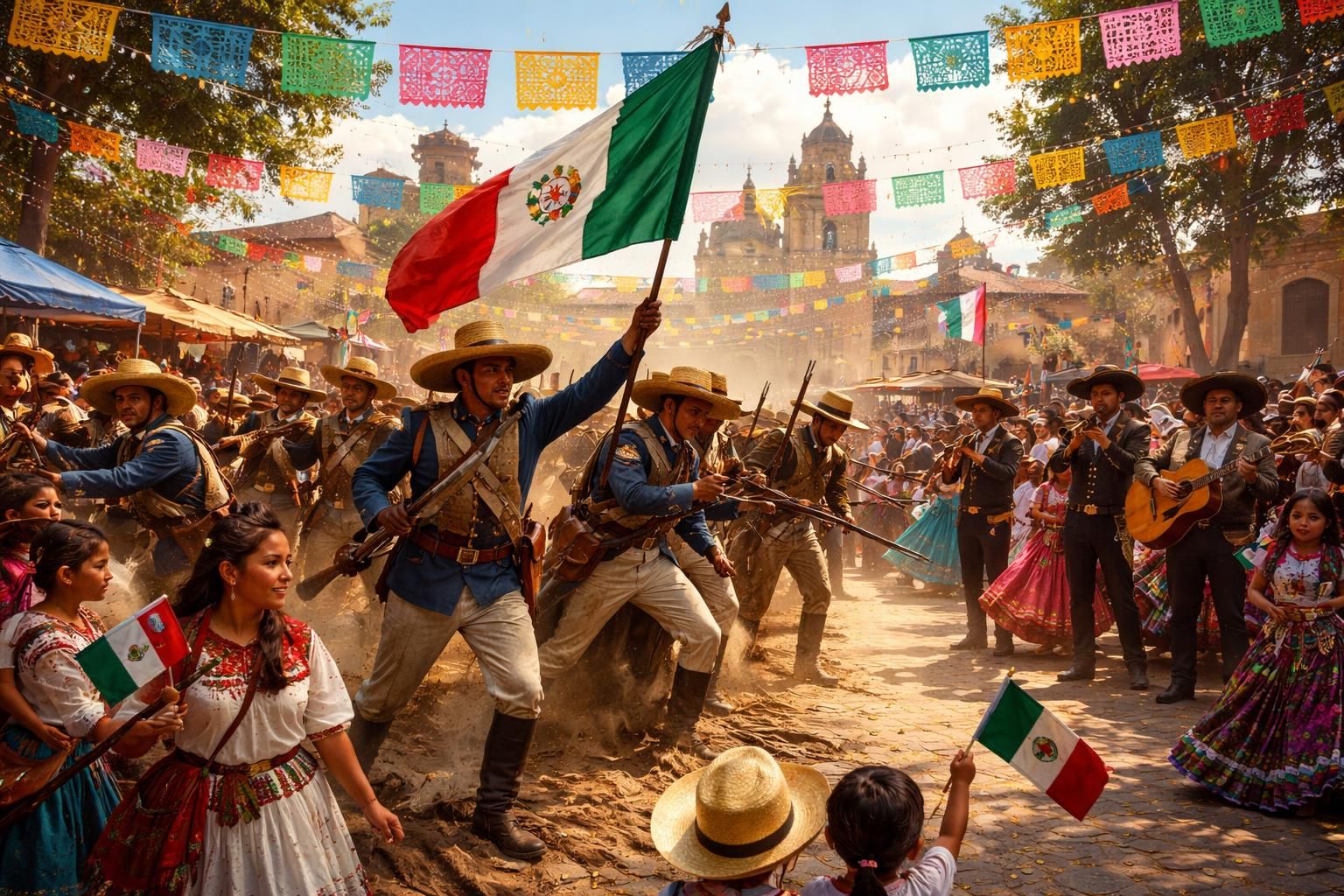
Many people assume Cinco de Mayo is Mexico’s Independence Day, but that important national celebration actually takes place on September 16th. Cinco de Mayo commemorates a different but equally significant moment: the Mexican army’s underdog victory over French forces at the Battle of Puebla on May 5, 1862. This battle was not just a military win but a powerful symbol of Mexican resistance and unity during a turbulent period of foreign intervention.
At a time when Mexico was struggling with financial crises and political instability, the French, under Emperor Napoleon III, sought to establish control over the country. The Mexican forces, led by General Ignacio Zaragoza, were outmatched in terms of weapons and numbers but harnessed fierce determination and strategic skill. Their unexpected success at Puebla boosted Mexican morale and inspired a renewed sense of patriotism across the nation.
This victory resonated far beyond the battlefield. It sent a message to the world that Mexico was not easily subdued and that its people would defend their sovereignty with courage and resilience. The Battle of Puebla became a rallying point for Mexican identity, making Cinco de Mayo an important day to honor heritage and national pride.
Interestingly, the celebration of Cinco de Mayo began almost immediately after the battle, particularly in the state of Puebla. It was first marked with military parades, reenactments, and church services to thank God for the victory. Over the decades, the day continued to be an occasion for expressing Mexican patriotism and reflecting on the country’s enduring spirit.
However, its resonance was somewhat regional at first, being less prominent in Mexico City and other areas. It is only in recent decades that Cinco de Mayo has gained more national awareness within Mexico, even as its significance blossomed across the border.
Fascinatingly, Cinco de Mayo’s story also includes important U.S. connections. Mexican immigrants and Mexican Americans, particularly in California states with significant Mexican heritage, adopted the holiday as a way to celebrate their cultural roots and fight discrimination during the 19th century. In fact, the first recorded Cinco de Mayo celebration in the United States occurred in Columbia, California in 1862, shortly after the Battle of Puebla.
This rich history shows us that Cinco de Mayo is more than a simple holiday—it’s a profound expression of identity and pride woven into both Mexican and Mexican-American experiences.
How Cinco de Mayo Traditions Illuminate Mexican Culture and Festivities
Cinco de Mayo celebrations serve as a vivid showcase of Mexican culture through music, traditional foods, dance, and community gatherings. The customs observed provide insight into the values and heritage Mexicans hold dear, often mixing historical symbolism with joyous festivity.
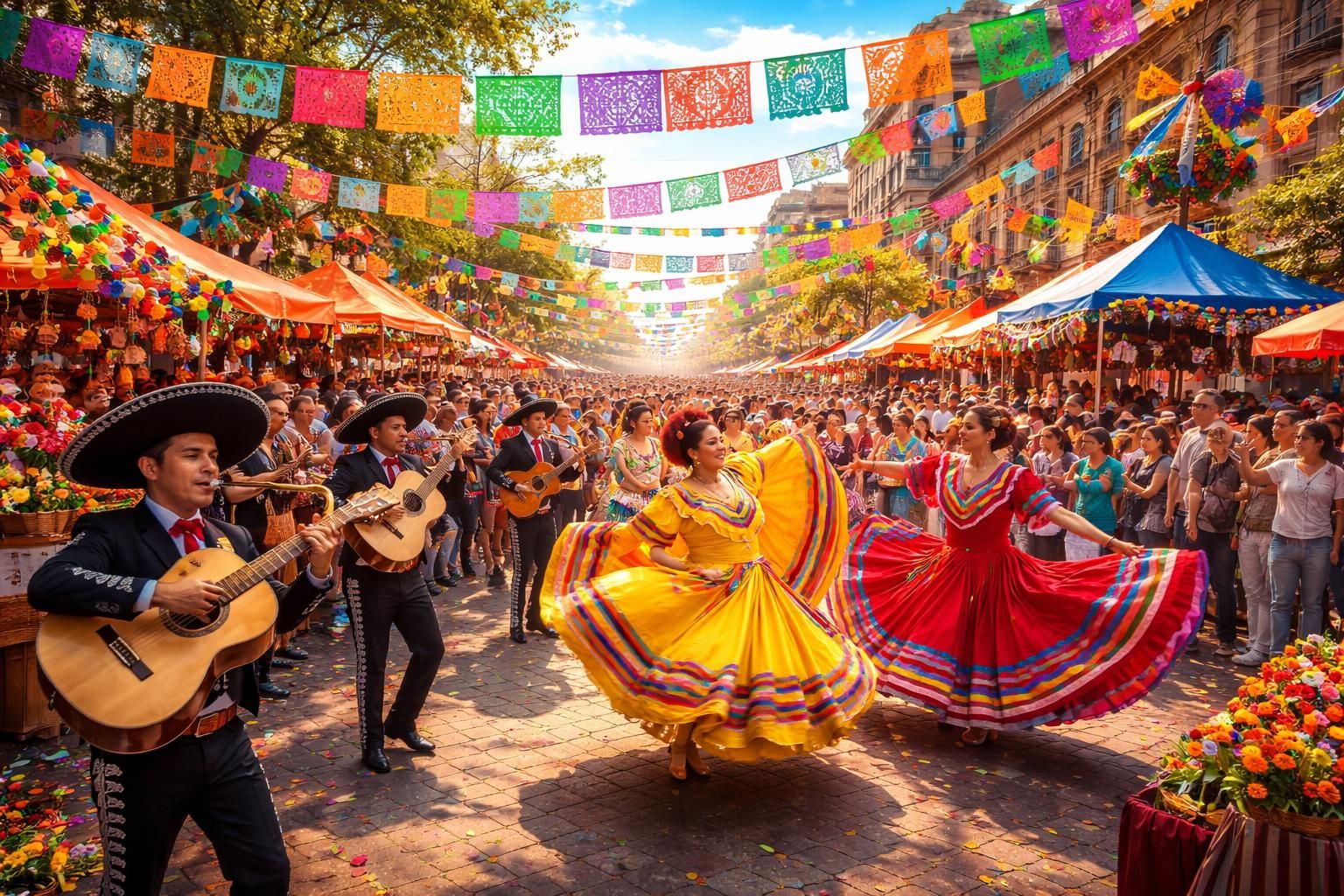
One of the defining features of Cinco de Mayo festivities is the emphasis on traditional music and dance. Regional styles like mariachi bands, folklórico dancers, and vibrant band performances fill the streets and venues, ensuring that attendees experience the richness and variety of Mexican musical heritage. These expressive performances celebrate not only the Battle of Puebla but the ongoing contribution of Mexican culture to the arts worldwide.
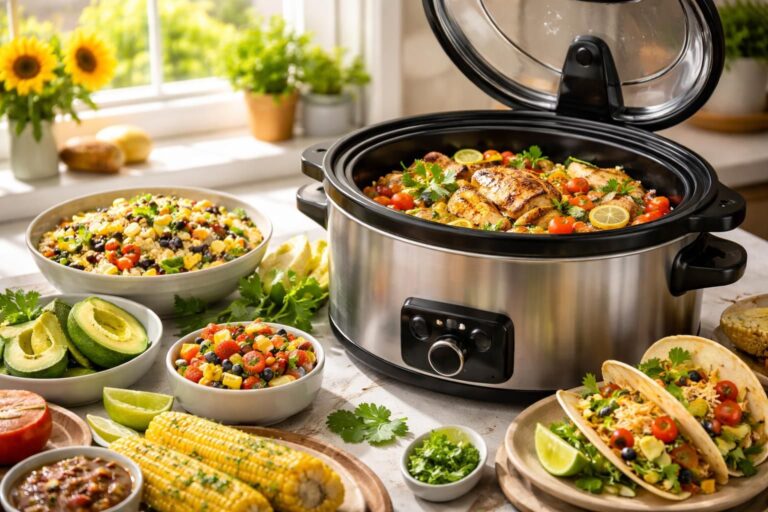
The culinary aspect is equally significant. Authentic dishes such as mole poblano—a rich, complex sauce believed to have been developed in Puebla—take center stage. Authentic street foods like tacos al pastor, tamales, and enchiladas complement the festivities, connecting participants to centuries-old culinary traditions. The careful preparation and sharing of food become a communal act that strengthens social ties and highlights Mexico’s diverse regional flavors.
Cinco de Mayo also embraces symbolic decorations layered with meaning. The colors green, white, and red—featured in Mexico’s flag—dominate altars, streets, and event spaces, reminding everyone of national unity and pride. Iconography evoking the Battle of Puebla, including historical reenactments and displays of General Zaragoza’s bravery, reinforces the holiday’s deep roots in Mexican heritage.
Beyond the symbolism, the day fosters a strong sense of community and sharing. Many families host gatherings that blend education with entertainment, providing younger generations with stories about Mexican history while creating joyful memories. Schools and cultural centers often organize lectures, art exhibits, and workshops to offer a deeper understanding of the battle’s significance and Mexican patriotism.
In small towns and cities with strong Mexican roots, particularly in Puebla, the original site of the battle, celebrations maintain a solemn and respectful tone alongside the fiestas. Parades feature marches by military and civil organizations, while local foods and traditional crafts support regional economies and cultural preservation.
These diverse festivities remind us that Cinco de Mayo is not merely about a party but about honoring a legacy of resistance, culture, and pride through engaging and authentic traditions that continue to thrive in 2026.
Cinco de Mayo in the United States: From Mexican Heritage to a National Celebration
The United States holds some of the largest and most enthusiastic Cinco de Mayo celebrations worldwide, with cities like Los Angeles, Chicago, and Houston hosting colorful festivals that attract hundreds of thousands of attendees. This wide-scale American enthusiasm has transformed Cinco de Mayo into a major cultural event that reflects the vibrancy of Mexican-American identity as well as greater Mexican heritage appreciation.
In California, for example, events like Fiesta Broadway in Los Angeles have become iconic. Drawing more than 400,000 people annually, this festival combines music stages, food vendors, artisan markets, and family activities in a lively urban setting. The festival not only offers fun but also serves as a dynamic space for affirming Mexican culture and educating attendees on its rich history and contemporary contributions.
The growth of Cinco de Mayo celebrations in the U.S. can be attributed partly to the demographic expansion of Mexican-Americans and the growing recognition of Latino cultural influence in the broader American landscape. For many communities, celebrating Cinco de Mayo is a powerful expression of pride in Mexican roots, as well as a way to combat stereotypes and foster cross-cultural understanding.
However, this surge in popularity sometimes leads to oversimplifications or commercialized versions of the holiday, with excessive focus on partying and stereotypes such as sombreros and margaritas overshadowing the genuine historical and cultural meanings. Many community leaders and cultural educators emphasize the importance of respectful and informed celebration that honors Mexican history and traditions.
Efforts to raise awareness now include cultural programming such as history talks, educational exhibits, authentic culinary workshops, and performances that reflect the diversity of Mexican culture beyond clichés. When approached thoughtfully, Cinco de Mayo becomes a valuable opportunity for cultural exchange and meaningful appreciation.
This balance of lively festivities with authentic representation enriches American society by connecting thousands to an important piece of Mexican heritage—deepening the celebration’s significance every year.
Fiesta Essentials: Integrating Cinco de Mayo into Your Celebrations with Respect and Style
Planning your own Cinco de Mayo fiesta means embracing the day’s cultural richness while cultivating an atmosphere that respects the holiday’s meaning. More than just decoration and food choices, celebrating Cinco de Mayo thoughtfully encourages connection with Mexican history and traditions.
Start by incorporating authentic Mexican elements into your décor—think vibrant papel picado banners, traditional ceramic dishware, and colors reflecting the Mexican flag. This sets a tone of genuine appreciation and elevates any gathering beyond costume party clichés.
Food is a centerpiece, so consider preparing classic dishes like mole poblano, chiles en nogada, or fresh guacamole using traditional methods and ingredients. Sharing the backstory of these recipes at your gathering can enrich the experience and honor Mexican culinary heritage.
Music and dance also amplify the atmosphere. Choosing authentic mariachi or regional Mexican music playlists, or inviting live performers if possible, adds an unforgettable cultural dimension. Even simple dance lessons featuring folklórico steps or cumbia rhythms can engage guests and infuse the event with festive spirit.
For those who love a touch of DIY, Pinterest remains a go-to resource for stylish, culturally-inspired decorations, recipes, and fiesta planning tips. Curating your own board can spark creative ideas to personalize celebrations with respect and flair.
Beyond parties, you can also use Cinco de Mayo as a chance to support Mexican-American businesses by purchasing authentic foods, artisan crafts, or cultural books. Engaging in local parades, museum exhibits, or cultural talks allows deeper exploration and connection to the holiday’s heritage.
By blending festive fun with education and respect, your Cinco de Mayo celebration becomes a meaningful tribute to Mexican culture, history, and patriotic spirit that resonates beyond one day.
Exploring Cinco de Mayo’s Cultural Impact: A Lens on Mexican Heritage and Beyond
The influence of Cinco de Mayo stretches beyond its historical origins, offering a unique lens through which to explore Mexican heritage, cross-cultural exchange, and identity formation in 2026. This annual celebration highlights how traditions evolve while maintaining ties to foundational patriotism.
Cinco de Mayo serves as a platform for increasing awareness about Mexican contributions to arts, literature, cuisine, and social movements. Events and academic discussions examine how the holiday reinforces cultural pride and showcases diverse narratives within Mexican and Latino communities.
Importantly, Cinco de Mayo encourages reflection on the ongoing fight for recognition and civil rights among Mexican-Americans and other Latino groups. It is a day that fosters unity and highlights shared histories of resilience not only in Mexico but also within immigrant experiences in the United States.
This cultural impact is also visible in popular media. From music and film to fashion and culinary arts, Cinco de Mayo inspires creativity that respects tradition while embracing modern Mexican-American identities. Designers incorporate traditional patterns and colors into streetwear, chefs reinterpret classic dishes, and artists use the holiday’s themes to explore broader social narratives.
Institutions such as museums and universities increasingly feature Cinco de Mayo in their cultural programming, offering workshops, exhibits, and lectures that deepen public understanding. Cultural organizations partner with educational centers to combat stereotypes and promote richer, nuanced representations of Mexican culture and history.
We also see Cinco de Mayo playing a growing role in community activism and philanthropy. Many organizations use the momentum of the holiday to raise funds and awareness for causes impacting Mexican and Latino populations, reinforcing the holiday’s roots in patriotism and collective strength.
| Aspect | Historical Context | Modern Celebration | Cultural Significance |
|---|---|---|---|
| Origins | Battle of Puebla victory in 1862 | Annual commemorations in Puebla and US cities | Symbol of Mexican resistance and patriotism |
| Music and Dance | Traditional folk music and regional dances | Mariachi bands, folklórico performances at festivals | Celebration of Mexican cultural arts |
| Food | Mole poblano, traditional dishes of Puebla region | Mexican cuisine staples at parties and festivals | Showcase of culinary heritage and regional diversity |
| Community Role | Local patriotic parades and church services | Large urban festivals and cultural events | Expression of identity and cross-cultural pride |
Today, as Mexican history and heritage continue to inspire generations, Cinco de Mayo stands as a vibrant celebration of not just a battle won but a culture that thrives with resilience and joy. Embracing both the holiday’s historical gravitas and its contemporary flare makes it a truly special occasion that connects communities and honors traditions.
Is Cinco de Mayo Mexico’s Independence Day?
No, Cinco de Mayo commemorates the Battle of Puebla in 1862, while Mexican Independence Day celebrates the start of Mexico’s war for independence on September 16, 1810.
Why is Cinco de Mayo celebrated more in the U.S. than in Mexico?
In the United States, Cinco de Mayo has evolved into a major celebration of Mexican-American culture and heritage, with large festivals and community events. In Mexico, it is observed mainly in Puebla with more modest festivities.
What traditional foods are popular on Cinco de Mayo?
Traditional dishes often enjoyed include mole poblano—a rich sauce originating from Puebla—tacos, tamales, and enchiladas, which reflect Mexico’s diverse regional culinary traditions.
How can I celebrate Cinco de Mayo respectfully?
Focus on learning about the history and culture, support authentic Mexican businesses, enjoy traditional foods and music, and avoid stereotypes. Attending cultural events or organizing educational celebrations can deepen appreciation.
What is the significance of the Battle of Puebla?
The Battle of Puebla was a symbolic victory for Mexico over the French army, demonstrating Mexican resilience and patriotism during a period of foreign intervention, and inspiring national pride.