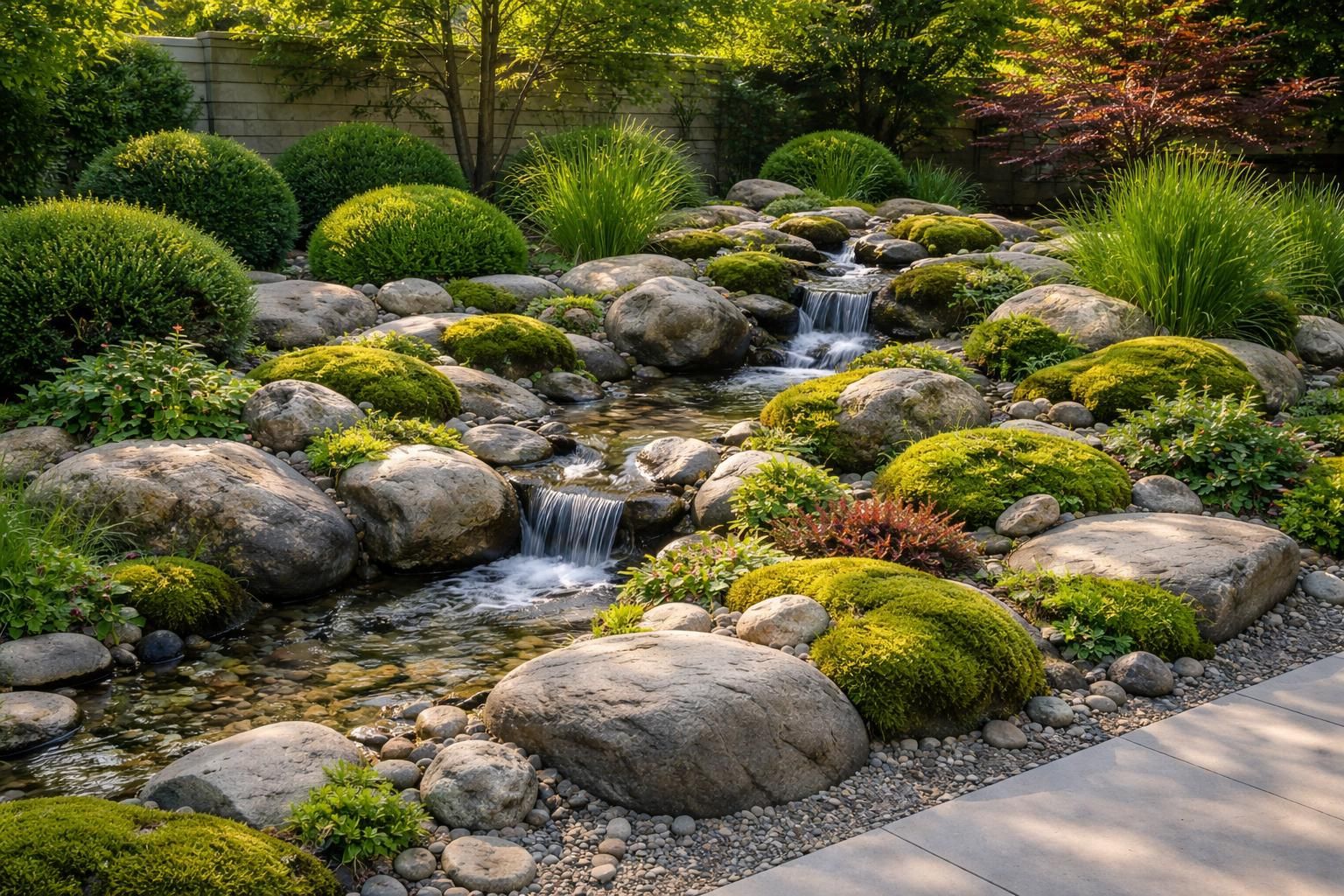
Innovative Rock Garden Ideas to Transform Your Outdoor Space
Transforming an outdoor space with innovative rock garden ideas is a wonderful way to blend the raw beauty of natural elements with artful landscaping. Whether your yard is a cozy nook or a large expanse, incorporating rock arrangements can instantly elevate the character of your garden, creating a serene environment that invites peaceful reflection and complements drought-tolerant plants. In 2026, as climate-conscious design grows more popular, rock gardens continue to be a favored choice for modern gardens that prioritize sustainability without sacrificing style. From carefully curated stone pathways to sculptural rock formations that double as focal points, these ideas invite creativity and express personal style through nature’s textures and tones.
Outdoor design enthusiasts are increasingly drawn to rock gardens because they require minimal maintenance while offering endless opportunities for personalization. Imagine, for example, pairing soft moss and creeping thyme with rugged stones in asymmetric patterns to capture the essence of natural landscapes. Or creating multi-layered rock terraces that not only prevent soil erosion but also add dimension and visual intrigue to an otherwise flat yard. Rock gardens integrate beautifully with green spaces, serving as both art and habitat, supporting pollinators and complementing drought-tolerant plants that thrive in California’s climate. This makes them perfect for anyone looking to reimagine their outdoor living environment in an innovative, environmentally mindful way.
Crafting Innovative Rock Garden Landscapes: The Foundations of Modern Garden Design
Building a stunning rock garden starts with understanding how to balance natural elements with thoughtful landscaping. Unlike traditional flower beds or lush lawns that require heavy watering and upkeep, rock gardens offer a fresh alternative grounded in durability and elegance. The key lies in selecting stones that harmonize with your space’s color scheme and texture, then carefully positioning them so that each rock appears part of a deliberate, artistic composition.
Innovative rock garden design often uses varied sizes and shapes of stones to create dynamic rock arrangements. Large boulders can act as anchors or focal pieces, while smaller pebbles and gravel fill gaps or define pathways, weaving the garden into a cohesive whole. One popular modern garden technique involves using local rocks to establish a sense of place—this not only complements regional drought-tolerant plants but also reduces transportation impacts and enhances sustainability.
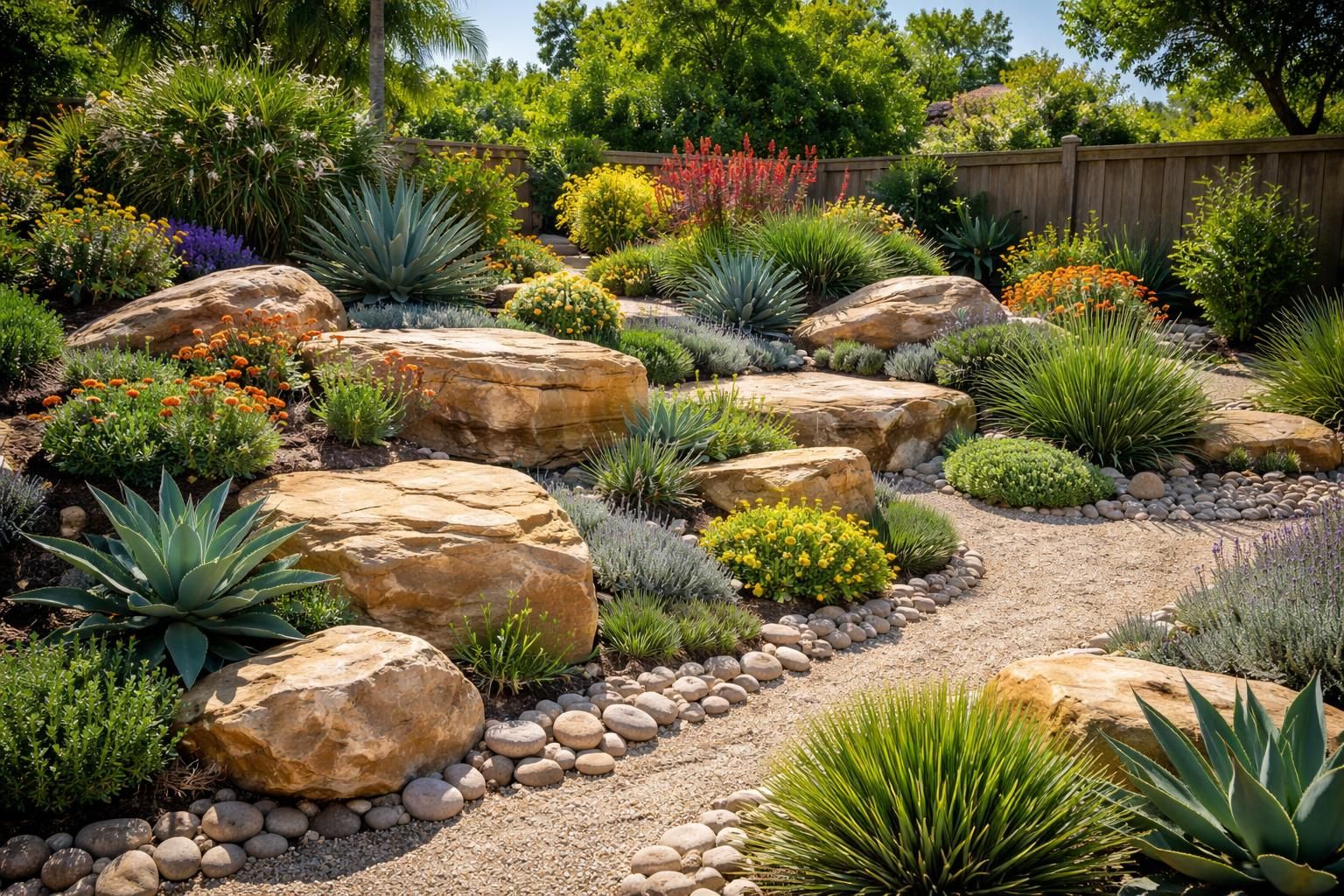
In my recent experience designing a backyard in Southern California, introducing a mix of sandstone boulders surrounded by low-water succulents like agave and sedum creates a lush, textured oasis. Adding subtle elevations with rock tiers mirrors natural hillsides, breaking visual monotony and inviting visitors to explore different angles and views. Layering various rock sizes also encourages microclimates where diverse plants can thrive, exemplifying how innovation in outdoor design combines beauty with ecological function.
By integrating natural elements such as weathered driftwood or ceramic pots thoughtfully placed among stones, you can create focal points that instantly bring personality to your garden. The act of arranging rocks feels like crafting outdoor sculpture, making every garden transformation deeply personal yet connected to the broader theme of nature’s artistry.
Exploring Drought-Tolerant Plants to Complement Your Rock Garden
In 2026, the increasing need for sustainable landscaping has made drought-tolerant plants a star feature in innovative rock garden designs. Choosing the right plants is essential not only for aesthetic harmony but also for reducing water waste and maintenance time. Plants such as lavender, yucca, juniper, and various succulents thrive beautifully in rocky settings without demanding constant watering, making them ideal companions to stone arrangements.
Drought-tolerant species bring diverse textures and colors that contrast and complement the neutral tones of rocks. For example, purple-hued lavender blossoms provide both visual and fragrant appeal, while silver-gray foliage from artemisia adds softness next to rugged stones. These plants also attract pollinators like bees and butterflies, enhancing your garden’s ecological value.
When planning your rock garden, consider grouping plants according to their sun and water needs to mimic natural ecosystems. For instance, sun-loving sedums and echeverias flourish on sunny rock crevices, whereas ferns and mosses can be nestled in shaded, moist pockets. This approach not only maximizes plant health but also ensures your garden maintains interest throughout different seasons.
Using native, drought-tolerant plants also supports local wildlife and reduces the need for fertilizers or pesticides. California’s native manzanita, for example, pairs wonderfully with dark volcanic rocks, producing an earthy, modern garden look. Incorporating such resilient flora inside a thoughtfully arranged rock garden allows you to enjoy stylish, eco-friendly landscaping that stays vibrant year-round.
Inspiration and resources for rock garden planting
Discovering unique plant pairings can also be a fun journey on platforms like Pinterest, where garden enthusiasts share fresh rock garden ideas, combining greenery with stones in unexpected ways. For detailed advice, check out expert guides featuring step-by-step tips for low-maintenance planting schemes and innovative garden transformations that suit your local climate and style preferences.
Creative Rock Arrangements: Sculptural Statements and Functional Designs
One of the most exciting parts of creating a rock garden is experimenting with how stones are arranged to express both artistic intention and practical landscaping benefits. Innovative rock arrangements take your garden beyond a simple collection of stones—they become sculptural statements that contribute to the space’s flow, focal points, and functionality.
For example, a cascading rock waterfall or a DIY water feature crafted from natural stones introduces soothing sound alongside stunning visuals. If water is scarce, dry stream beds made from pebbles and large stones can simulate movement while directing rainwater runoff efficiently, demonstrating how rock structures serve multiple purposes.
Rock terraces or retaining walls fashioned from stacked natural stones can transform uneven terrain into usable garden space with an architectural edge. These elements also help prevent soil erosion and create layers that enhance planting diversity. When designing, consider the visual rhythm created by alternating rough and smooth stone surfaces, or varying colors that draw the eye across the garden landscape.
Adding an innovative flair, some gardeners embed LED lighting within rock formations to illuminate paths or highlight focal points at night. This fusion of natural elements with modern technology reflects a truly contemporary outdoor design ethos, turning your backyard into a magical retreat as dusk falls.
From small intimate gardens to expansive yards, creative rock arrangements provide endless opportunities to infuse character and style. Whether it’s a minimalist zen space or a vibrant garden bursting with color and texture, rocks offer a grounding presence that anchors your vision beautifully.
Low-Maintenance Yet Stylish: Embracing Modern Garden Trends With Rock Gardens
Modern garden lovers are increasingly embracing rock gardens for their blend of style and practicality. The demand for sustainable outdoor design has only increased, and rock gardens perfectly fit this ethos by offering low-maintenance beauty that doesn’t skimp on sophistication.
In 2026, homeowners value landscaping that minimizes water use and upkeep while maximizing appeal. Rock gardens are inherently drought-resistant and versatile, making them fantastic for busy individuals who want tranquility without extra chores. Their natural elements encourage a peaceful ambiance suitable for meditation corners or social spaces.
Combining rock gardens with creative lawn edging ideas, like those featured at this resource, can enhance boundaries beautifully and keep your design tidy. Such elegant touches complete the outdoor aesthetic and invite guests into an inviting, thoughtfully curated environment.
This modern trend also encourages mixing different landscaping materials—wood, metal, glass, and rock—creating multi-sensory experiences. For instance, pairing a rough stone seating area with soft textiles and twinkling fairy lights establishes a welcoming vibe that extends your living space outdoors year-round.
Seasonal Care and Easy Upkeep for a Lasting Rock Garden Transformation
A major advantage of rock gardens lies in their durability and simple maintenance routines. Still, achieving a spectacular garden transformation requires some seasonal care. Regularly removing debris, trimming drought-tolerant plants, and checking rock stability keep the garden inviting and fresh through every season.
In areas with occasional rain, flushing out accumulated dirt or leaves from gravel beds preserves the clean, sculptural effect of your rock arrangements. During hotter months, supplementing with minimal watering tailored to your plants’ needs helps maintain vibrant foliage without excess waste.
Occasionally, repositioning stones or integrating new rock types collected during exploratory hikes can rejuvenate your garden’s look and feel, reflecting a living space that evolves with your style. This hands-on approach embraces the gardening journey as a meaningful form of self-expression.
| Season | Key Maintenance Tasks | Plant Care Tips | Rock Arrangement Upkeep |
|---|---|---|---|
| Spring | Clear debris, prune plants, refresh mulch | Water young plants moderately, check for pests | Inspect and secure loose rocks |
| Summer | Monitor watering, weed control | Water drought-tolerant plants sparingly | Clean gravel beds |
| Fall | Remove fallen leaves, prepare for cooler weather | Trim overgrown plants | Rearrange stones if needed |
| Winter | Protect sensitive plants, clear snow if applicable | Reduce watering significantly | Check rock foundations after storms |
Embracing these upkeep routines helps preserve the innovative and natural essence of your rock garden, ensuring it continues to be a standout feature fresh throughout the year. If you’re eager to add even more creative flair to your outdoor space, explore unique water features that you can build yourself by following guides like the DIY water fountain tutorial.
What are the best rocks to use in a rock garden?
Choosing local stones like sandstone, granite, or volcanic rocks is ideal because they blend with your environment, are durable, and support drought-tolerant plants well.
Can rock gardens support wildlife?
Yes! Many drought-tolerant plants grown in rock gardens attract pollinators such as bees and butterflies, making your garden an important ecological habitat.
How do I prevent weeds in my rock garden?
Using landscape fabric underneath gravel or small stones and regularly removing debris helps minimize weeds, keeping your rock garden neat and low-maintenance.
Are rock gardens suitable for all climates?
Rock gardens work well in a variety of climates, but they are especially beneficial in dry or drought-prone regions, as their plant and stone selection focuses on water conservation.