Delicious Homemade Nectar: The Perfect Hummingbird Food Recipe
Offering a delightful splash of color and life to any garden, hummingbirds are tiny marvels of nature that deserve our attention and care. Feeding these enchanting creatures with delicious homemade nectar has become a beloved activity for bird enthusiasts and gardeners alike, inviting a touch of wild magic right to your backyard. Understanding the ingredients and care that go into crafting the perfect hummingbird food recipe ensures that these delicate birds receive the nourishment they need without harm, making bird feeding a safe, joyful practice. From the subtle sweetness to the natural ingredients used, this guide explores every facet of preparing a nectar blend designed to attract and sustain hummingbirds with the utmost respect for their delicate health and habitat.
As we dive into the art of making homemade nectar, we’ll uncover tips on how to maintain feeders, ways to enhance your garden’s wildlife appeal, and share inspiring ideas that link the joy of bird feeding with a sustainable lifestyle. This exploration honors the delicate balance between offering wild birds the care they need and celebrating the natural beauty they bring to our everyday lives.
By choosing to create your own natural hummingbird nectar, you avoid commercially available options packed with additives or dyes that could disrupt local ecosystems or harm the hummingbirds. This journey into bird feeding also connects deeply with seasonal rhythms, as you’ll learn which nectar sacrifices are best aligned with hummingbirds’ migration and feeding patterns throughout the year. The delicious, sweet allure of homemade nectar is not just about attracting wildlife—it’s about nurturing a vibrant ecosystem and enriching your own experience as a steward of nature.
The Science Behind Homemade Nectar: Why Natural Ingredients Matter for Hummingbird Health
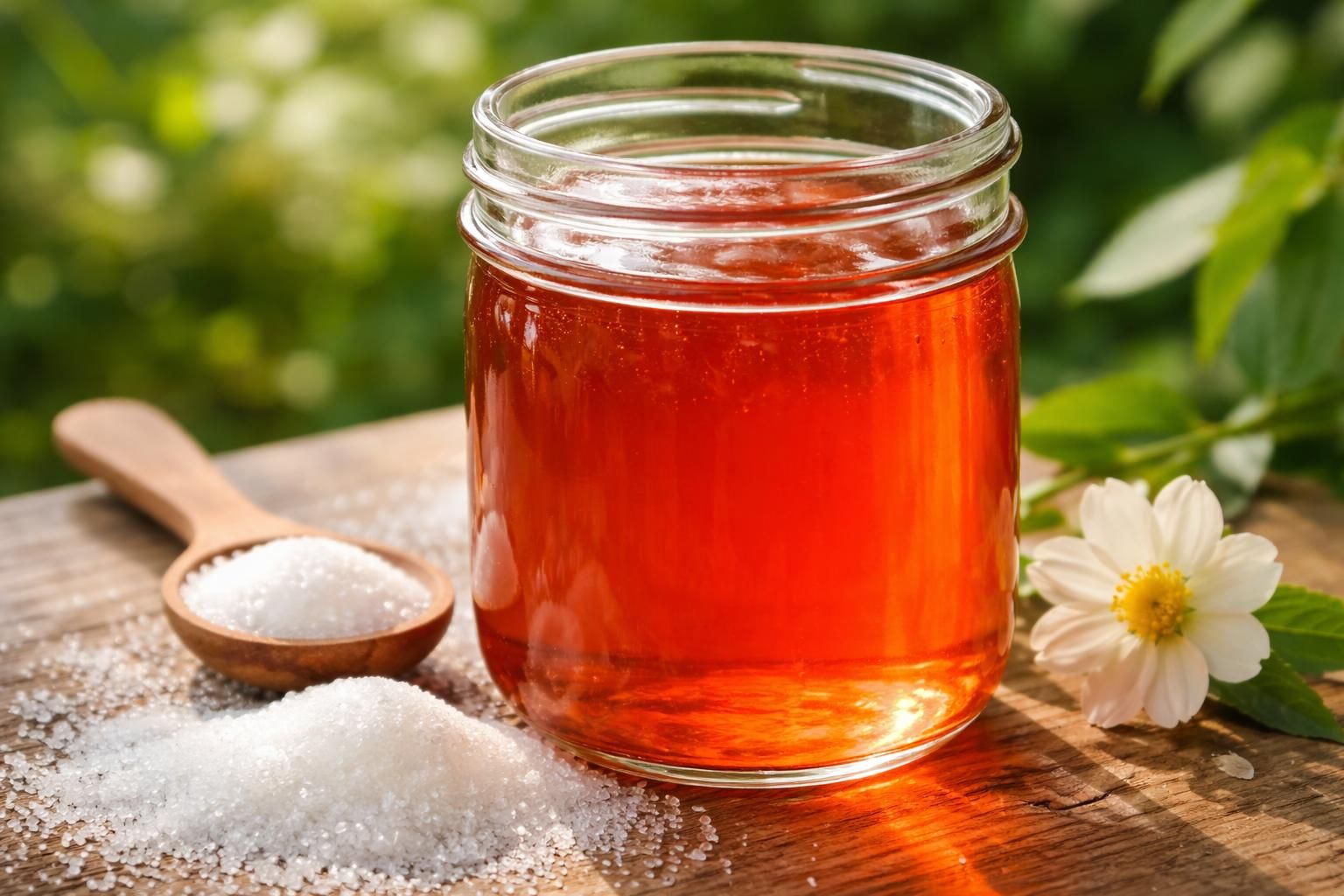
Providing nourishing sustenance to hummingbirds means more than just mixing sugar and water; it demands an understanding of what replicates the natural sources they thrive on. Their primary diet in the wild consists of nectar from flowers, which is essentially a precise balance of sugars dissolved in water. The perfect hummingbird food recipe mimics this natural concoction, usually combining purified water with white granulated sugar at a ratio of approximately 4:1 in favor of water to sugar.
Natural ingredients, free from additives and dyes, are essential not only for the birds’ health but also for the wider ecosystem that interacts with the feeders. Birds are highly sensitive to chemicals and artificial sweeteners often found in processed food products, which can lead to malnourishment or illness. Additionally, using anything other than pure sugar can cause fermentation or bacterial growth in feeders, endangering wildlife.
Understanding how hummingbirds metabolize sugar is crucial for creating nectar that effectively supports their high energy demands. These birds flap their wings up to 80 times per second and consume more than their own weight in nectar daily. The quick release of glucose from simple sugar fuels their intense activity levels, making the right recipe a matter of survival.
Moreover, scientific studies have demonstrated that homemade nectar without red dye prevents unwanted repercussions such as attracting harmful insects or disrupting the birds’ natural feeding habits. The color red needed to attract hummingbirds is best provided by the feeder design itself, not by artificial coloring in the nectar. This practice supports both safety and environmental stewardship.
Many bird feeding advocates now emphasize sustainable choices—opting for organic sugar sources when possible and ensuring feeder hygiene to prevent mold buildup and disease transmission. These efforts reflect a holistic approach to bird feeding, one that values the delicate balance between human intervention and nature’s own mechanisms.
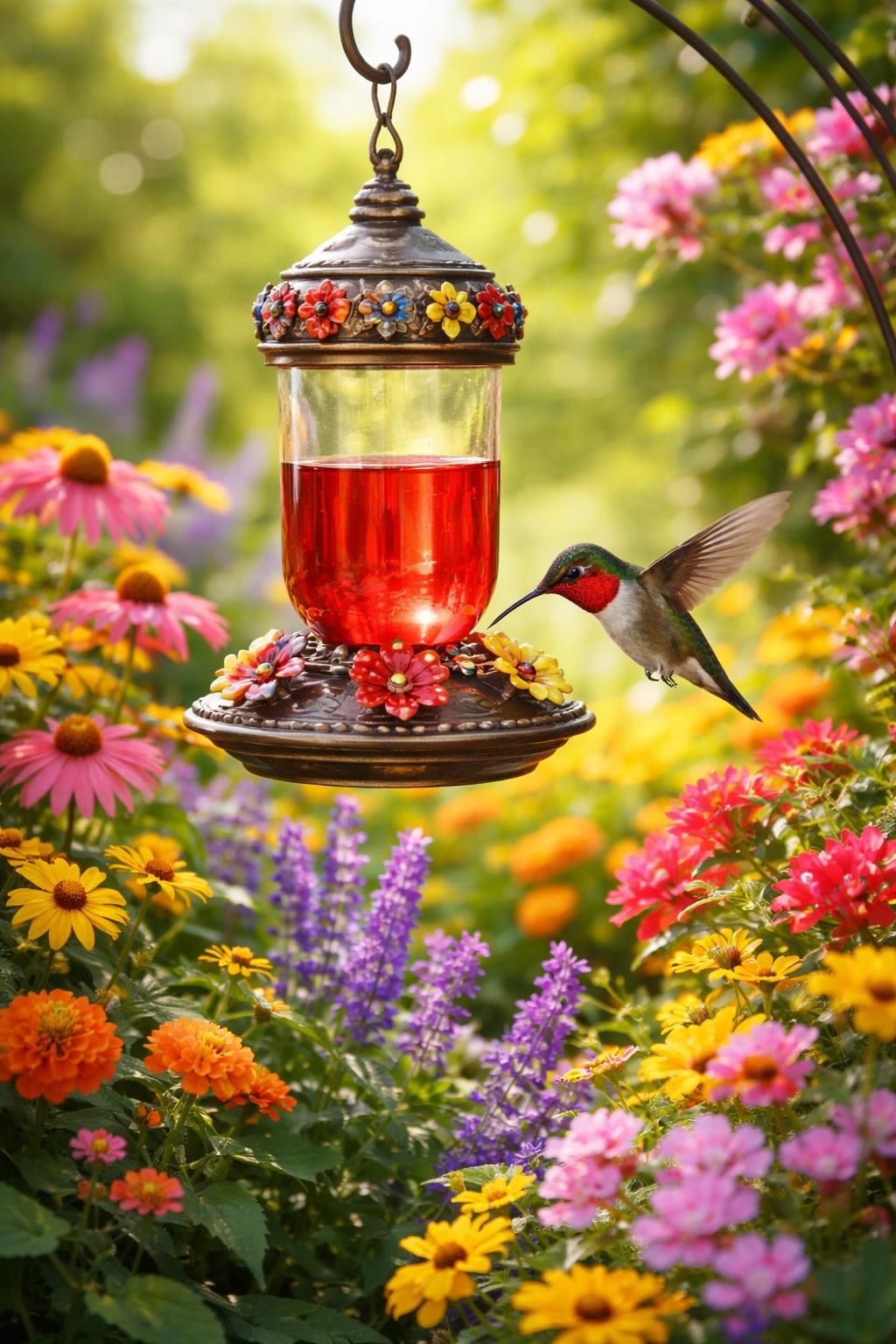
Step-by-Step Guide to Creating Delicious Homemade Hummingbird Nectar That Birds Will Adore
Preparing your own hummingbird nectar at home is refreshingly simple but requires precision to ensure safety and appeal. Begin by boiling distilled or filtered water to eliminate impurities that could spoil the nectar or endanger the birds. Once boiled, allow the water to cool slightly before mixing it thoroughly with granulated white sugar—avoid using honey, artificial sweeteners, or brown sugar, as these can harm hummingbirds.
The standard ratio is 1 cup of sugar to 4 cups of water. Stir the sugar into the warm water until fully dissolved. It’s important to cool the mixture completely before filling your feeder to prevent damage to the feeder itself and to ensure the mixture stays fresh longer. Homemade nectar can be stored in the refrigerator for up to one week.
Cleaning your feeders regularly—ideally every two to three days—is crucial. This routine prevents the growth of harmful mold and bacteria. When cleaning, use hot water and a mild vinegar solution to keep the feeder free from residues.
Depending on your region’s climate, nectar can spoil faster. In warmer months, frequent replacement becomes especially important. Watching the consumption rate of the nectar helps you avoid waste and keeps birds coming back for fresh, sweet nourishment.
Personal touches can make your bird feeding experience even more magical. Try placing feeders near native flowering plants or incorporating other natural bird-friendly elements into your garden design. This not only attracts hummingbirds but also creates a sanctuary supporting a range of local wildlife.
Attracting and Supporting Backyard Wildlife: How Homemade Nectar Enhances Your Garden Ecosystem
Homemade hummingbird nectar serves as more than just a bird feeder treat; it becomes a vibrant thread woven into your garden’s living tapestry. Introducing natural ingredients and nectar feeders transforms backyards into welcoming habitats for hummingbirds and other pollinators, boosting biodiversity and encouraging natural pest control.
Hummingbirds respond to the sweet scent and sight of nectar, often visiting multiple feeders daily. Providing fresh, delicious homemade nectar encourages frequent visits, increasing opportunities for observing these dazzling birds up close. Their presence signals a healthy garden ecosystem, often indicating abundant blooming plants and a well-balanced environment.
Consciously positioning feeders near shelter such as shrubs or flower clusters offers birds protection from predators and the elements, creating a thriving micro-habitat. Moreover, hummingbirds serve as important pollinators for many native plant species; their feeding activity facilitates the reproduction of flora, enhancing landscape health.
Gardeners who care for hummingbirds often notice an uptick in other wildlife—like butterflies and bees—drawn in by similar floral resources. This ecological synergy creates a lively, bustling outdoor space where connecting with wildlife becomes a deeply rewarding experience.
In urban or suburban contexts, where green spaces may be limited, homemade nectar feeding helps compensate by providing crucial energy sources. Maintaining cleanliness and natural ingredients ensures that your feeder becomes a safe stopover rather than an ecological trap.
Creative Ideas for Incorporating Homemade Nectar Feeding Rituals into Your Lifestyle
Integrating hummingbird feeding into your daily life invites delightful rituals that sharpen your senses to the rhythms of nature. Imagine starting your morning with a cup of coffee while watching hummingbirds flit energetically around feeders bursting with delicious homemade nectar. This simple ritual can become a grounding, joyful moment.
For many, sharing the experience with friends or family deepens connections. Hosting brunches or afternoon teas in your hummingbird-friendly garden blends social time with conservation. It’s a perfect conversation starter that combines the marvel of wildlife with the delight of homemade cooking and home styling.
Building your feeder station around Pinterest-inspired garden décor or creating DIY nectar recipes can also fuel creativity. As influencers or content creators often share, showcasing these moments fosters community awareness around eco-friendly bird feeding and garden care.
Additionally, seasonal variations in nectar recipes can mirror the life cycles of hummingbirds throughout the year, offering continuous learning opportunities and maintaining a fresh, beautiful feeding routine. For example, slightly adjusting sugar concentrations or feeder placements with seasonal migration patterns reflects thoughtful stewardship.
Coupling nectar feeding with home gardening and interior design creates enchanting spaces where flora and fauna coexist harmoniously. This integration enhances well-being, uplifts mood, and encourages sustainable living by bringing nature closer to daily life.
Maintaining Safe Bird Feeding: Best Practices for Preparing and Caring for Homemade Nectar Feeders
Caring for your hummingbirds goes hand in hand with responsible feeder maintenance. Homemade nectar, while natural and safe, requires mindful preparation and upkeep to ensure it benefits wildlife without unintended harm.
Start by using only distilled or purified water to mix your nectar, reducing contaminants that might encourage microbial growth. Avoid any additives or dyes which can be toxic. Feeding stations should be checked daily for spoilage, and fresh nectar replaced regularly, ideally every two to three days during hot weather.
Clean feeders thoroughly with a mixture of hot water and vinegar every time you change the nectar. This simple practice prevents mold and bacterial buildup, which can spread illnesses among visiting birds. Avoid using harsh chemicals or soaps that might leave residues toxic to hummingbirds.
Position feeders in shaded areas to slow fermentation and keep nectar fresh longer, especially in warmer climates like California. Also, consider the feeder’s design—those with bee guards and ant moats help prevent other insects from consuming or contaminating the nectar.
Recording your observation habits and feeder upkeep can reveal patterns that help refine the feeding process for your local population of hummingbirds. This attentive, loving approach not only increases bird visitation but also contributes to broader wildlife conservation efforts in your community.
| Essential Component | Function in Nectar | Recommended Practice |
|---|---|---|
| White Granulated Sugar | Primary energy source providing glucose | Use pure, not brown or raw sugar, dissolve completely in boiling water |
| Purified Water | Solvent to dissolve sugar, ensures clean nectar | Boil and cool before mixing, avoid tap water with additives |
| No Red Dye | Avoids toxicity and attracts hummingbirds via feeder color | Do not add dyes; opt for red feeder parts instead |
| Regular Feeder Cleaning | Prevents mold, bacteria, and insect contamination | Clean every 2-3 days using hot water and vinegar solution |
Can I use honey or artificial sweeteners in hummingbird nectar?
It’s best to avoid honey and artificial sweeteners as they can promote harmful bacteria growth and are not suitable for hummingbirds’ delicate digestive systems.
How often should I change the homemade nectar in the feeder?
Change the nectar every two to three days, and more frequently during hot weather, to prevent fermentation and mold growth that could harm hummingbirds.
Is it necessary to use red coloring in the nectar to attract hummingbirds?
No, adding red dye to the nectar is unnecessary and potentially harmful. Hummingbirds are attracted to the red color of the feeder itself.
What is the ideal sugar to water ratio for making hummingbird nectar?
A ratio of four parts water to one part white granulated sugar replicates the natural sugar concentration hummingbirds find in flower nectar.
How do I keep ants and bees away from my hummingbird feeder?
Using feeders with built-in ant moats and bee guards, positioning feeders properly, and cleaning them regularly helps minimize insect interference.