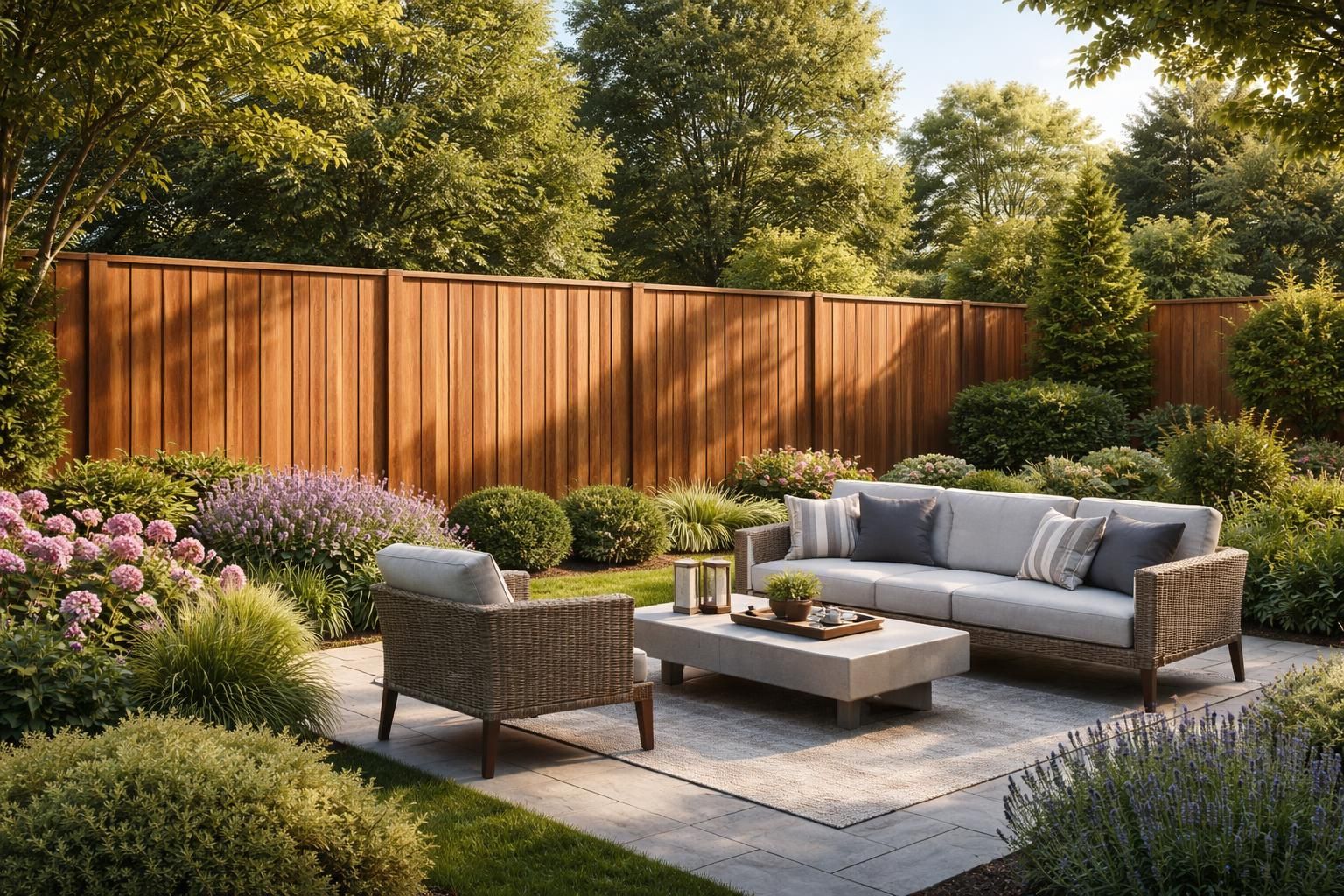
Enhancing Your Outdoor Space with a Stylish Wood Privacy Fence
Enhancing your outdoor space often begins with creating a sense of privacy that allows you to fully enjoy your garden or backyard without interruptions. A stylish wood privacy fence can be a transformative addition, turning an ordinary outdoor area into a serene and private sanctuary. Whether you’re aiming for a cozy retreat to host intimate gatherings or a peaceful haven to unwind after a long day, the right fencing solution is key. From classic designs that evoke timeless charm to modern interpretations that elevate garden aesthetics, wood fences offer a versatile and natural appeal that blends seamlessly with landscaping and home improvement efforts.
In 2026, homeowners increasingly seek fencing options that not only provide security and privacy but also enhance the art of garden design. Wood, a favorite material for its warmth and organic texture, has evolved with innovative styles and sustainable practices. This article explores how a wood privacy fence can redefine your outdoor space’s functionality and beauty, integrating decorative fencing elements and smart privacy screening techniques to support your lifestyle and reflect your personal style.
Key takeaways for enhancing your outdoor space with a wood privacy fence:
- A wood privacy fence enhances solitude while elevating garden design.
- Various wood fence styles offer both security and stylish appeal.
- Proper fence installation is crucial for durability and aesthetic quality.
- Strategic landscaping around wood fences adds layers of natural beauty and additional privacy screening.
- Decorative fencing elements transform fences from functional barriers into design statements.
Choosing the Perfect Style of Wood Privacy Fence to Match Your Outdoor Space
Selecting the right wood privacy fence starts with understanding the style of your home and outdoor environment. Wood fences come in numerous designs—from the tall, solid panels that ensure complete seclusion to the charming picket fences that offer a glimpse into your garden while establishing boundaries. Without a doubt, the style you choose will play a critical role in shaping the overall atmosphere of your backyard.
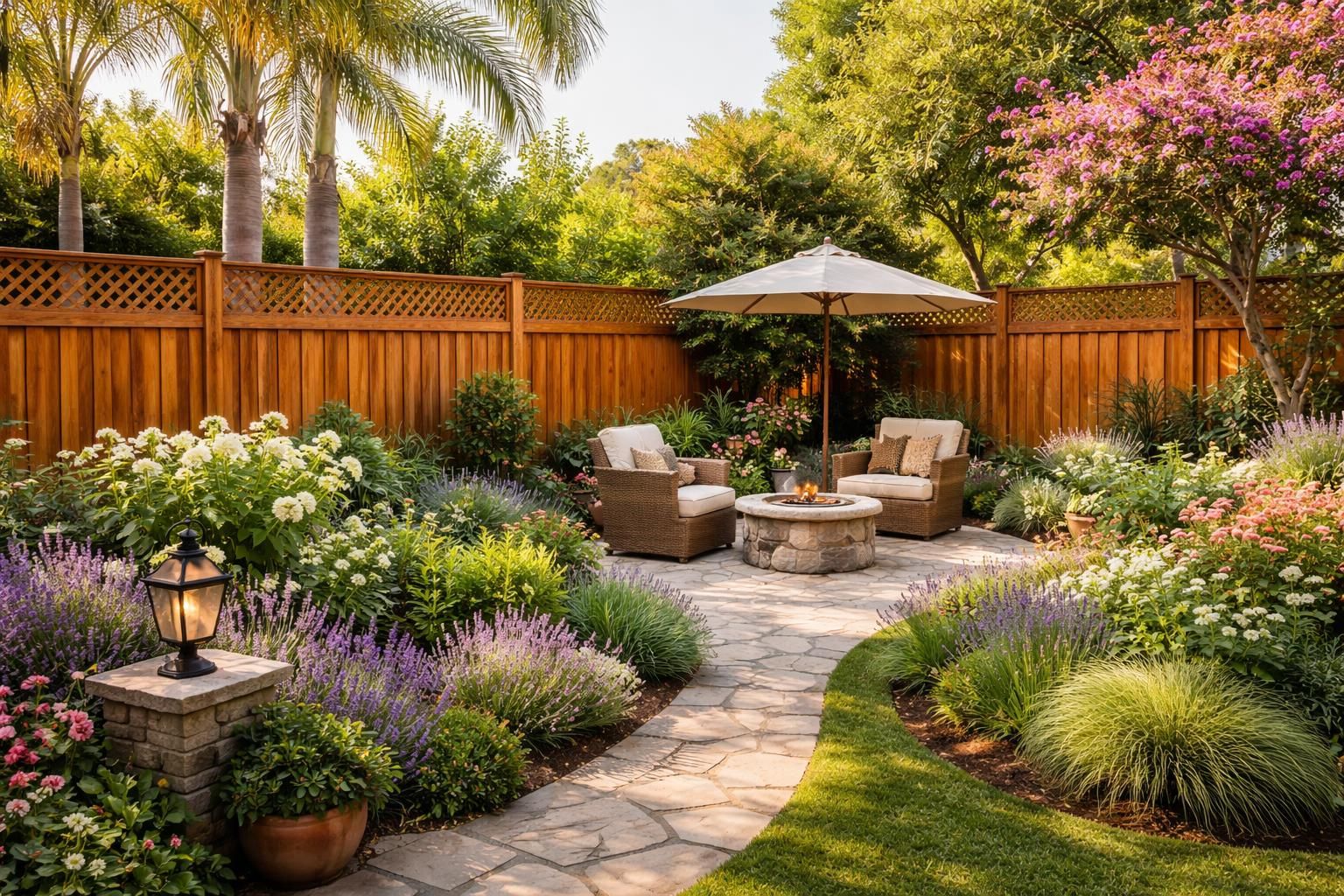
For homeowners who appreciate a classic vibe, a board-on-board fence may be the ideal option. This design features overlapping wooden boards, providing a robust barrier with minimal gaps. Such style is perfect for those seeking uninterrupted privacy. On the other hand, if you love a more decorative approach, fences incorporating lattice tops add visual interest and a delicate touch without compromising the privacy fence’s purpose.
Contemporary outdoor spaces often benefit from horizontal plank fencing where clean lines and a minimalist aesthetic define the look. This type harmonizes well with modern landscaping and home improvement projects. Take, for example, a recent garden design I admired in California that paired natural cedar horizontal fencing with succulents and stone pathways, creating a seamless indoor-outdoor connection with tranquility at its core.
Wood types also influence the fence’s style, durability, and maintenance needs. Cedar and redwood are favorites for their natural resistance to decay and insects. Pressure-treated pine offers an economical alternative, especially for DIY fence installations, though it may require more upkeep or staining to guard against weather. The choice of wood and style must align with your climate and personal maintenance preferences to ensure your fence remains a beautiful backdrop for years to come.
It’s worth considering that a stylish fence isn’t merely about blocking views—it’s an opportunity to express your garden’s personality and enhance curb appeal. Decorative fencing with added elements like chamfered edges or artistic gate designs can immerse visitors in your home’s welcoming ambiance from the moment they arrive.
How Proper Fence Installation Maximizes Privacy and Longevity
Once you’ve chosen the perfect wood privacy fence design, the next critical step is the fence installation process. Poor installation can undermine both the privacy and durability of your investment. For a robust, stylish fence that stands the test of time, professional installation or meticulous DIY efforts are essential.
Fence posts should be anchored deeply in concrete foundations to withstand wind, moisture, and the shifting soil common in many regions, especially here in California. Most often, posts are set 2 to 3 feet deep and spaced evenly to provide solid support without sagging. This foundational knowledge is vital whether you hire contractors or tackle fence installation on your own.
Next, the panels or pickets must be attached with high-quality galvanized or stainless steel nails or screws that resist rust. Using metal fasteners designed specifically for outdoor use ensures the fence maintains its structural integrity even after exposure to rain or intense sun.
Another important aspect is selecting the appropriate spacing between boards and ensuring consistent alignment. Even the most stylish fence loses its charm when boards warp or misalign, resulting in unwanted gaps that reduce privacy screening effectiveness. Taking precise measurements and using levels during installation can prevent these issues and help your fence deliver both on style and function.
Moreover, applying protective finishes such as stains, sealants, or paints can ward off moisture, UV damage, and insects. These treatments not only preserve the wood’s natural beauty but also minimize maintenance efforts over the fence’s lifespan, which can easily extend beyond 15 years with proper care.
Integrating Wood Privacy Fences into Your Garden Design for Ultimate Outdoor Enjoyment
Integrating your wood privacy fence into the broader landscape design usually yields the best results, harmonizing style, function, and nature itself. When strategically surrounded by lush plants, shrubs, or even climbing vines, a fence transcends from a mere barrier to an organic part of your garden’s character.
Think about the soothing vibe created by vibrant greenery climbing a lattice fence or the soft floral accents spilling over the top of a solid panel. These additions help break the monotony of wooden surfaces and introduce colors and textures that enrich your outdoor space. Some may even plant fragrant herbs alongside their fences or introduce planters that attach directly to fence panels, making it easy to maintain garden freshness and add inviting aromas to your backyard retreat.
For landscaping ideas that complement a stylish wood fence, consider incorporating natural stone pathways or a cozy seating area adjacent to the fence line. This technique not only enhances your home’s outdoor functionality but also crafts a visually appealing scene. I often find inspiration on platforms like creative landscaping blogs that help blend fencing seamlessly into entire outdoor makeover projects.
The relationship between fence and flora is equally vital when shaping privacy screening. By mixing evergreen shrubs with your wood fence, you create a multilayered privacy barrier that blocks views year-round and adds vibrancy through seasonal foliage changes. Consider that this multi-textured design approach can dramatically elevate your garden’s aesthetics while reinforcing the practical benefits of your privacy fence.
The Balance Between Style and Security: How Wood Privacy Fences Protect Your Outdoor Space
When crafting a backyard oasis, it’s important that your wood privacy fence doesn’t just look good, but also offers dependable security. Wood fences provide a solid barrier that deters trespassers and keeps children and pets safely enclosed, making them a top pick for families. Their height and close-board construction naturally discourage unwanted intrusions while maintaining a warm, inviting vibe that metal or concrete fences often lack.
Addressing security concerns doesn’t mean compromising style. For example, integrating smart gate hardware featuring keypad entry or decorative wrought iron accents allows you to blend safety features with artistic fencing elements. The key is to ensure these features harmonize with the overall garden design, so your property’s exterior looks cohesive.
Wood fences also contribute to home improvement trends focusing on sustainable living. Using responsibly sourced timber or reclaimed wood aligns with eco-friendly lifestyle choices progressively embraced by California homeowners in 2026. This conscientious approach to fence building marries security needs with environmental values without sacrificing aesthetic or functional quality.
Ultimately, a stylish fence becomes a layered element in home improvement, combining the practical purpose of privacy and safety with a decorative appeal that boosts your property’s charm. When properly planned and constructed, this kind of fence helps create an outdoor space where you feel truly at ease, enlivened by the tranquility and security it delivers.
| Type of Wood Fence | Privacy Level | Maintenance Requirements | Durability | Stylistic Appeal |
|---|---|---|---|---|
| Cedar Board-on-Board | High | Moderate (requires sealing) | 15-20 years | Classic, warm, natural |
| Redwood Picket with Lattice Top | Medium-High | Moderate (needs stain/reseal) | 20+ years | Decorative and charming |
| Pressure-treated Pine Horizontal Plank | High | Higher (needs regular staining) | 10-15 years | Modern and sleek |
| Reclaimed Wood Mixed Styles | Variable | Low to Moderate (depends on treatment) | Varies | Rustic and eco-friendly |
Creative Decorative Fencing Ideas to Elevate Your Wood Privacy Fence
Decorative fencing is an exciting way to add personality and flair to the dependable structure of a wood privacy fence. By incorporating artistic touches, you can transform your fence from a simple privacy screen into a statement piece that enhances your entire outdoor space’s atmosphere.
One popular trend in 2026 is the use of mixed materials, such as adding metal or stone accents to wooden fences. For example, framing a wooden fence with natural stone pillars or installing geometric metal inlays can introduce an unexpected contrast that feels both modern and organic. These touches often become focal points in garden design, elevating the overall look with minimal effort.
Another decorative idea is utilizing step-up or stepped fence panels, which create visual interest by varying fence heights, gently following your yard’s terrain or signaling different zones within your outdoor space. This design balances the practical advantages of privacy screening with dynamic aesthetics.
If you want to keep things simple yet impactful, painting your wood fence in soft pastels or deep earth tones can add vibrancy and character without overwhelming your landscaping choices. Paired with climbing vines or hanging planters, painted fences bring a spirited ambiance, perfect for gatherings or quiet afternoons spent with friends.
For inspiration, Pinterest remains a treasure trove of ideas, helping homeowners refresh their outdoor spaces with creative DIY fence designs and practical home improvement tips. This platform, rich in visuals, allows you to explore trending fence styles and match them with your unique taste.
How long does a wood privacy fence typically last?
With proper maintenance, especially sealing and occasional staining, most wood fences last between 15 to 20 years, depending on the wood type and climate conditions.
What is the best wood type for outdoor privacy fences?
Cedar and redwood are preferred for their natural resistance to decay and insects, making them ideal for wood fences designed for privacy and longevity.
Can I install a wood privacy fence myself?
Yes, many homeowners successfully install their wood privacy fences. Key considerations include proper post depth, alignment, and using weather-resistant fasteners. However, professional installation ensures added durability and finish.
How can I add extra privacy beyond the fence itself?
Incorporating landscaping such as evergreen shrubs, climbing plants, and planters near your wood privacy fence creates a layered privacy screening that enhances seclusion and aesthetic appeal.
Are decorative fences less secure?
Not necessarily. Decorative elements like lattice tops or metal accents can be designed to maintain security while adding style, striking a good balance between function and aesthetics.